
Victorian & Federation Wall Tiles
Authentic period features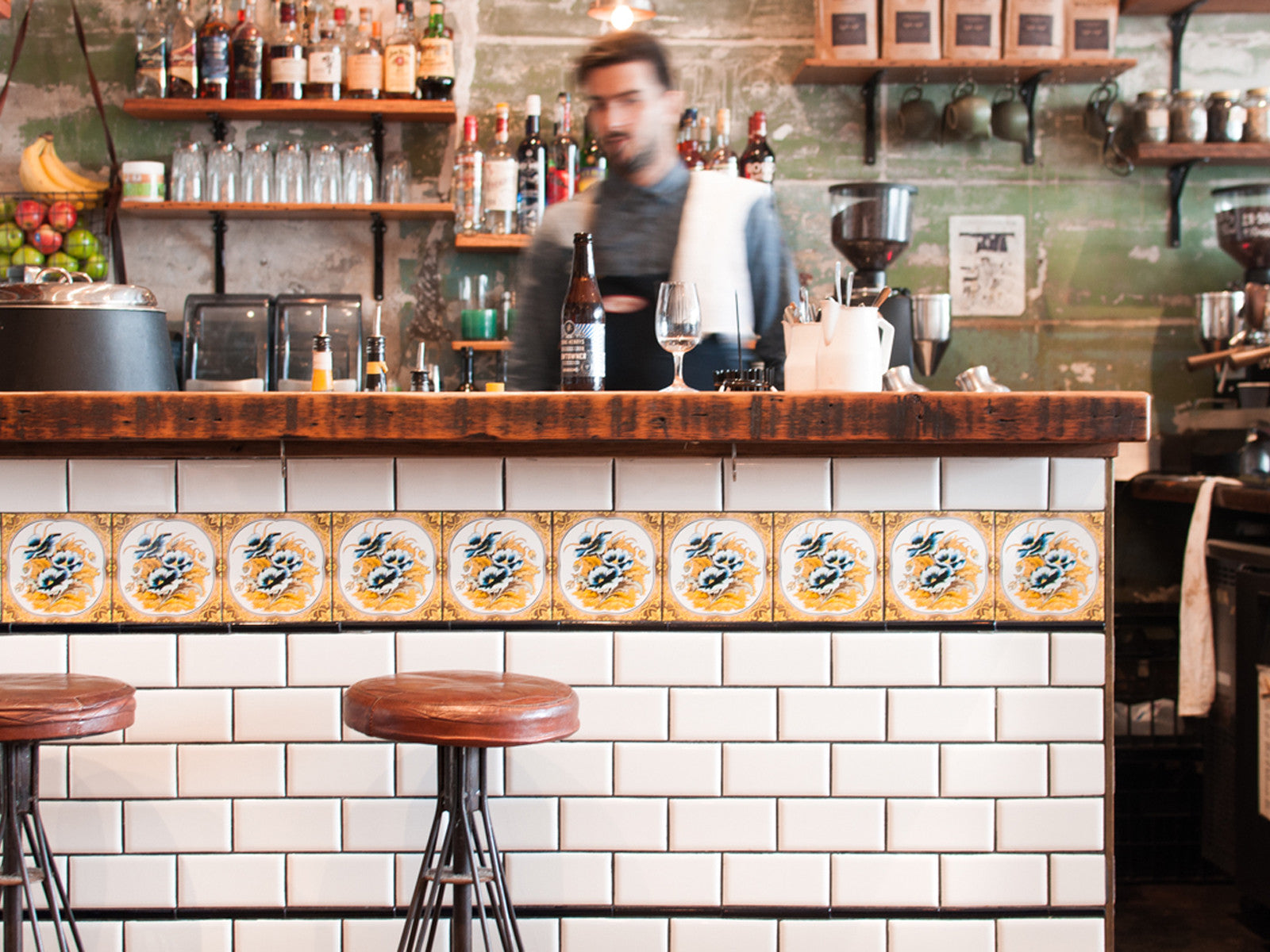
About
Australia’s most comprehensive range of Victorian and Federation wall tiles, hand-glazed in Sydney in 14 heritage colours. Friezes, embossed and printed tiles, capping, coving and skirting. For period bathrooms, restorations and pubs. No long lead times.
Features
What sets our Heritage wall tiles apart-
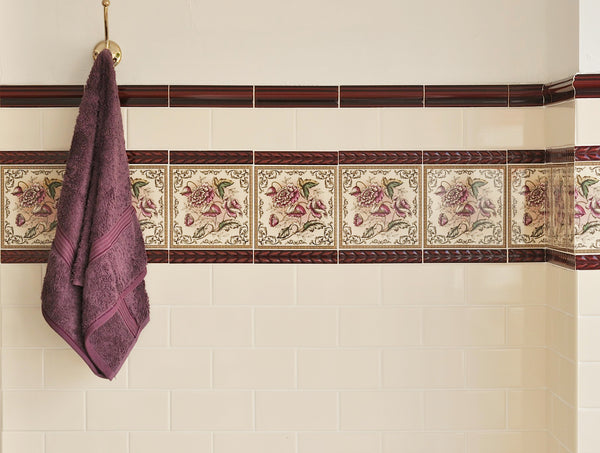
Victorian and Federation
Designs for every period style.
Whether your home is Gothic Revival, Boom Style, Arts & Crafts, or Art Nouveau, our range covers the full spectrum of Victorian and Federation decorative tile styles. All designs are available in 14 hand-glazed heritage colours, coordinated across friezes, field tiles, capping, and skirting.
-
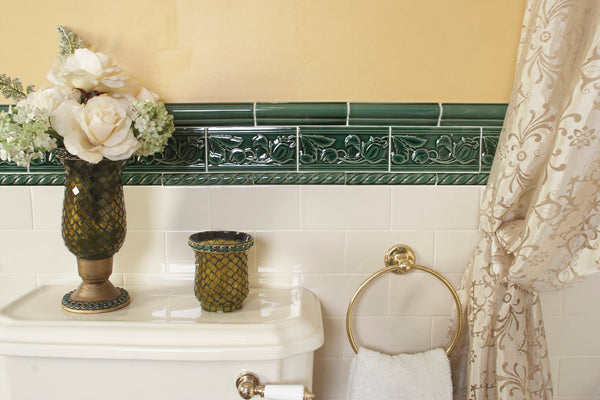
Prints, embossed, capping
Colour-coordinated across all formats.
Our range includes printed frieze tiles, embossed decorative tiles, plain field tiles, capping, coving, skirting, and strips — all available in the same 14 heritage colours. Mix and match across formats to achieve the correct period look for your bathroom, kitchen, pub, cafe, or heritage restoration.
-
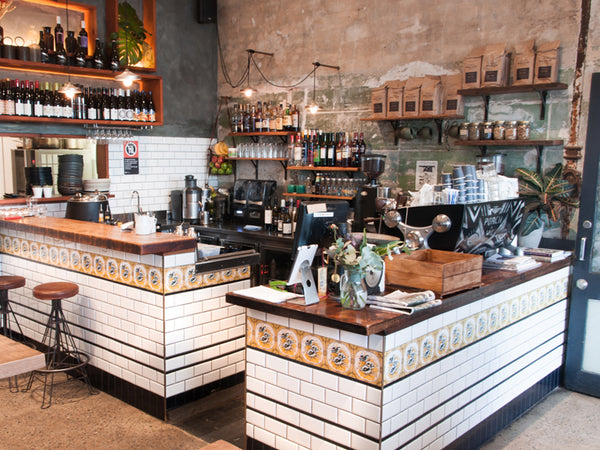
Historically authentic designs.
Based on authentic heritage tiles
Our decorative tiles are based on original Victorian and Federation patterns, drawn from surviving examples in period homes, pubs, and public buildings across Australia. Each design is faithful to the styles of its era — from the ornate floral motifs of the Art Nouveau period to the restrained geometric patterns of the Federation bathroom.
-
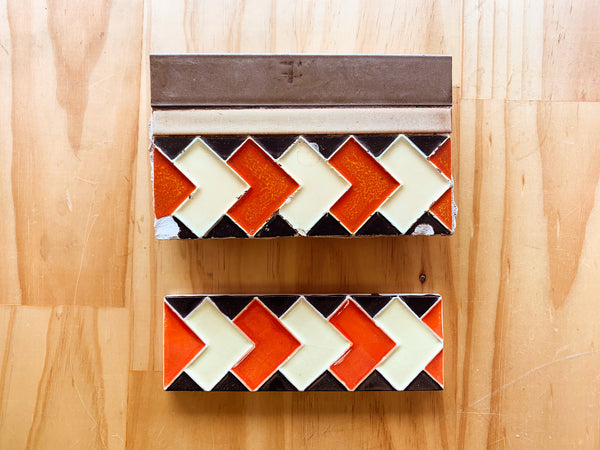
Custom-made tiles
Custom profiles and tile matching.
Looking to match an existing feature tile or replicate a heritage design? Our Sydney factory allows us to reproduce custom profiles and original designs without lengthy lead times or minimum order quantities — making us the preferred partner for heritage architects, restoration builders, and councils.
-
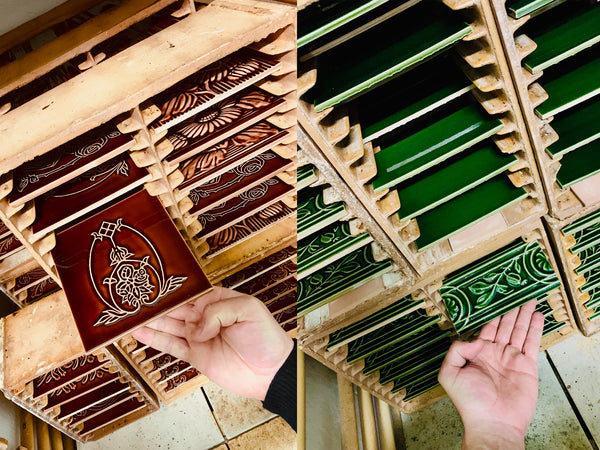
Local Manufacture
Made in Sydney. No shipping delays.
All our heritage wall tiles are hand-glazed at our Sydney factory. Local production means no lengthy international shipping delays, no minimum order quantities for custom work, and the ability to match or reproduce tiles quickly — a critical advantage for time-sensitive restoration projects.
-
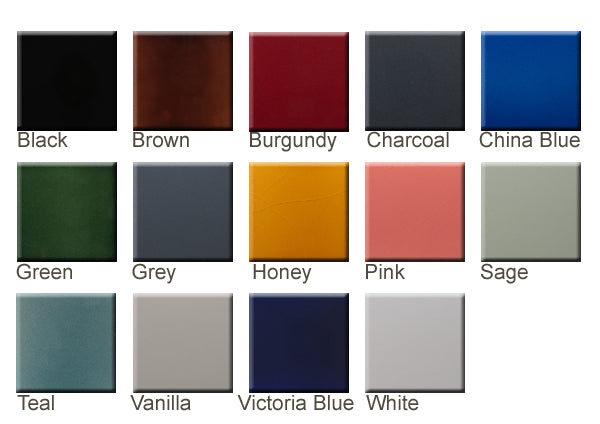
Fourteen Colours
14 hand-glazed heritage colours.
Our full range is available in 14 hand-glazed colours — from black, white, and vanilla through to heritage brown, green, burgundy, grey, blue, and honey. All colours are available across all tile formats, making it straightforward to coordinate friezes, field tiles, capping, and skirting within a single palette.






Inspiration
Recent projects.Last updated 3 months ago
-
Sully's Rooftop, Queensland
For the rooftop bar at Sully's, View full case study ↝
-
-
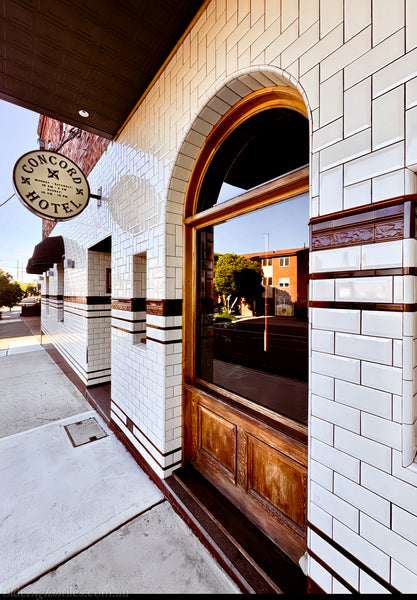
Style & Concord ... in Concord.
Built in 1930 in the leafy suburb of Concord West, Hotel...
-


Products
The best of our Victorian & Federation Wall TilesFeature Rectangle

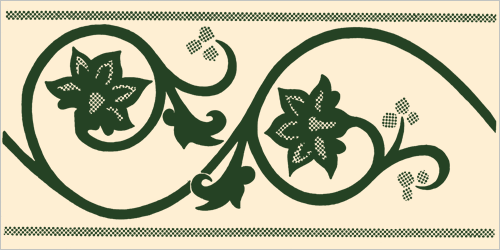
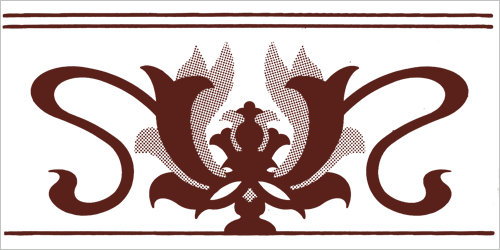
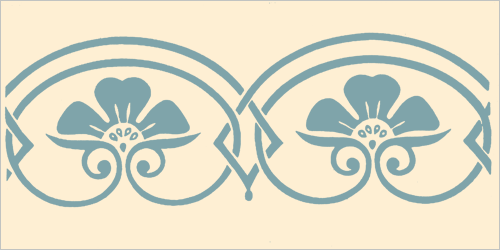
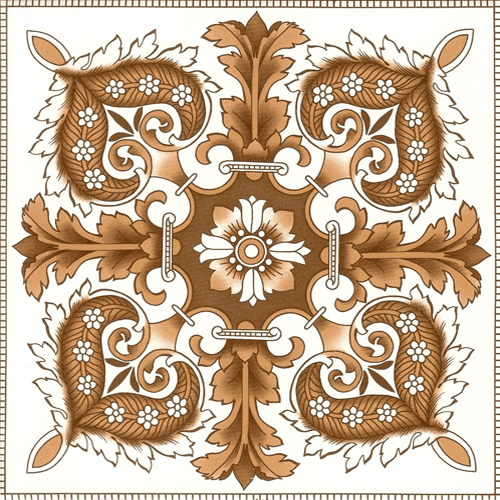
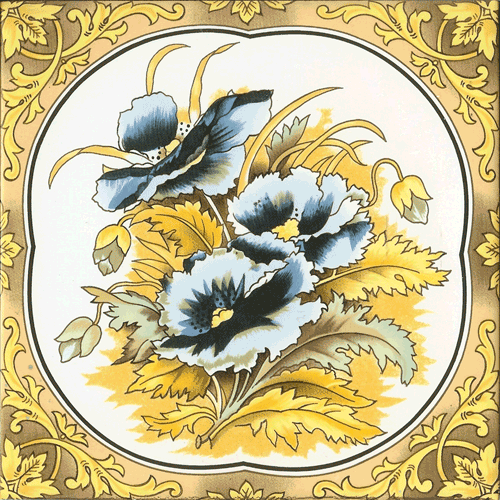
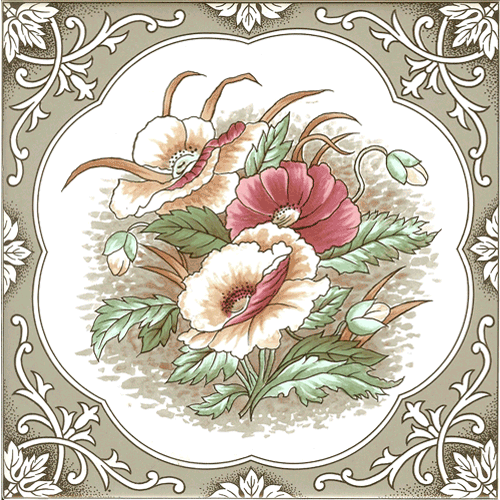
Feature Square
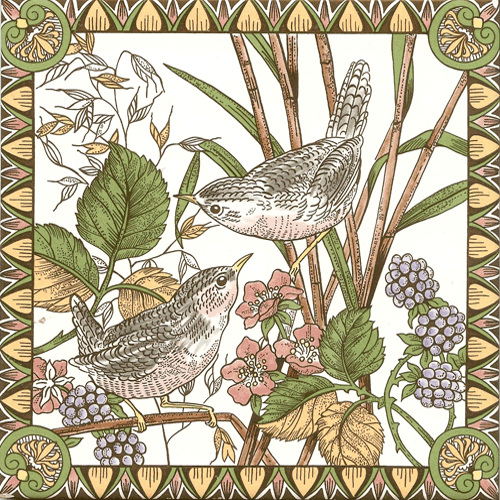
Feature Strips
Plain Wall, Hearth & Feature
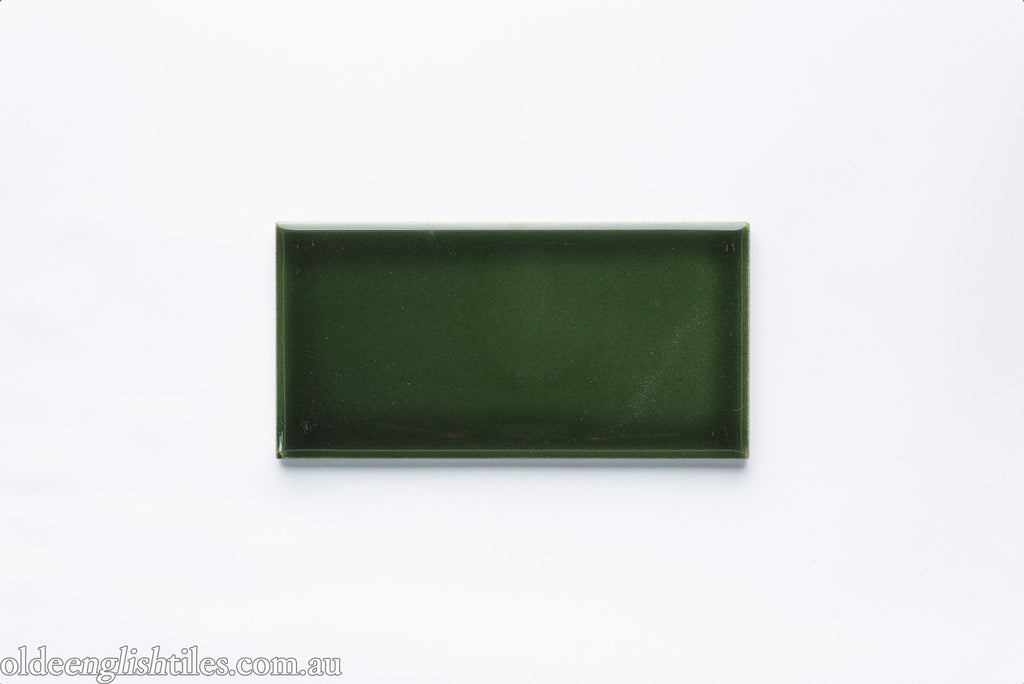
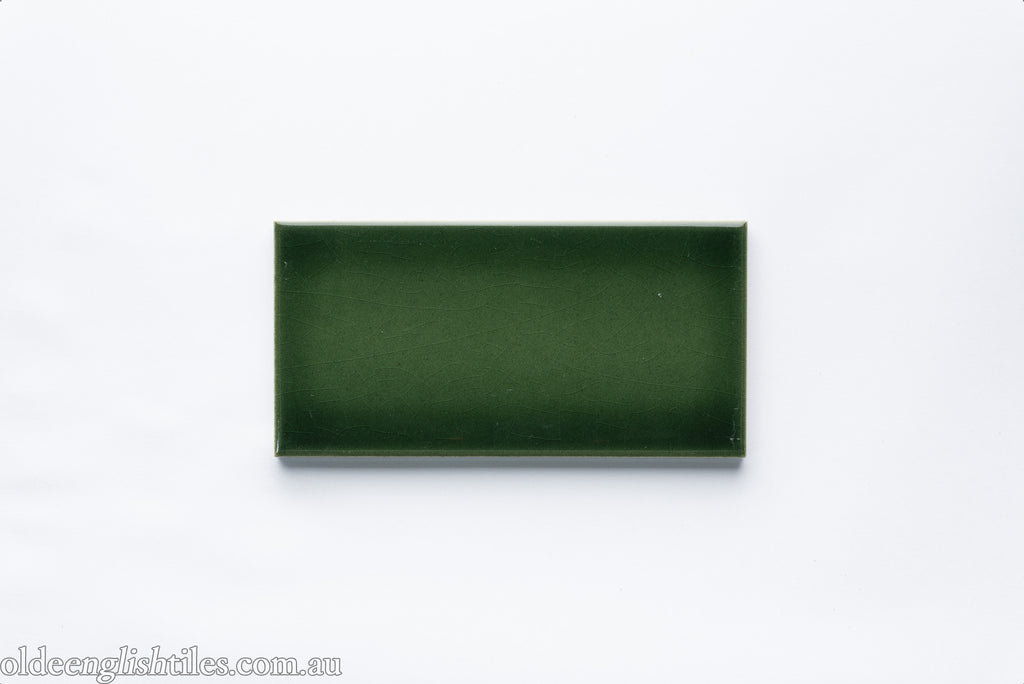
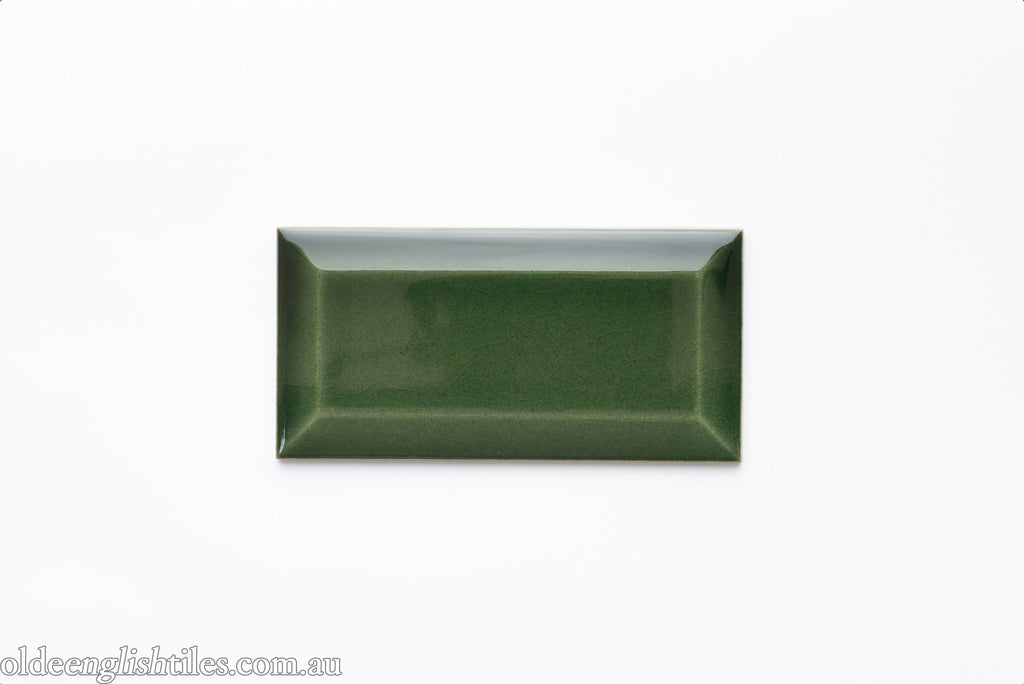
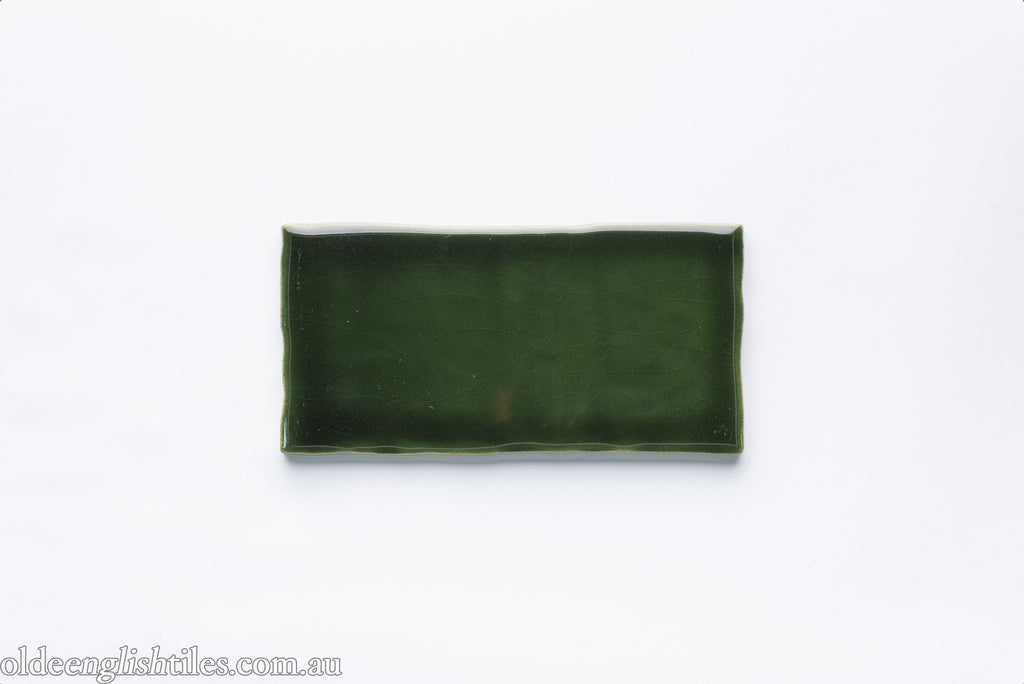
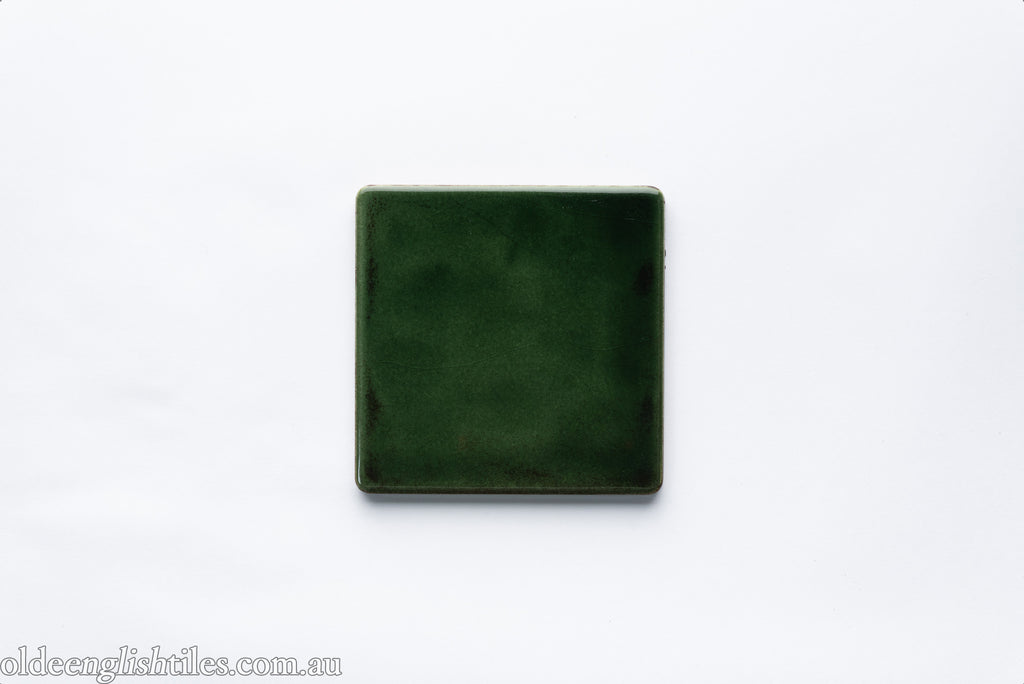
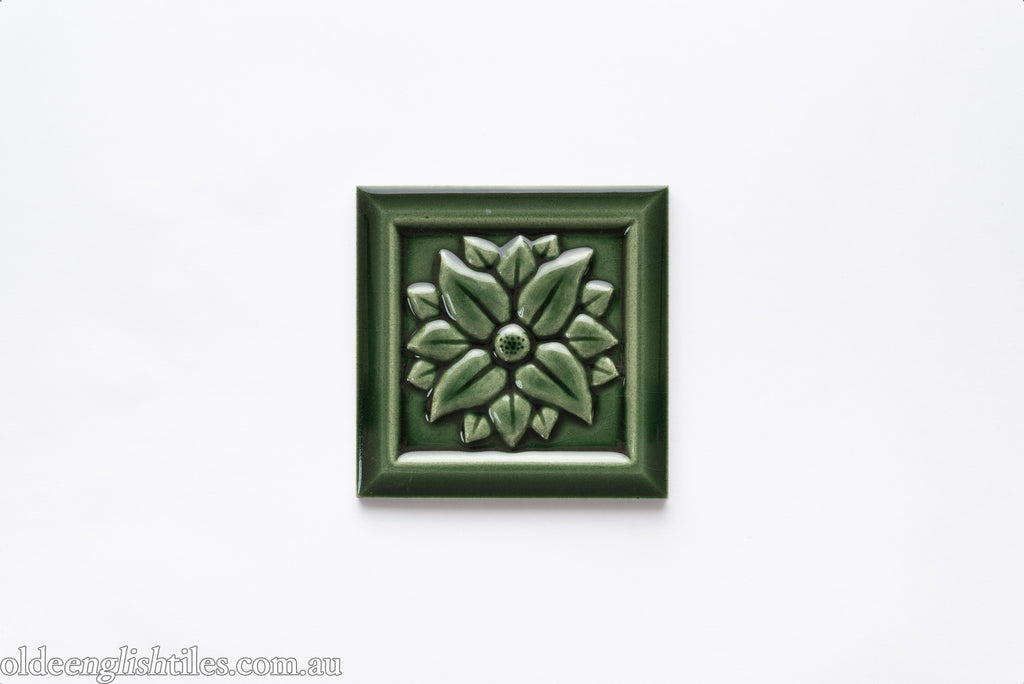
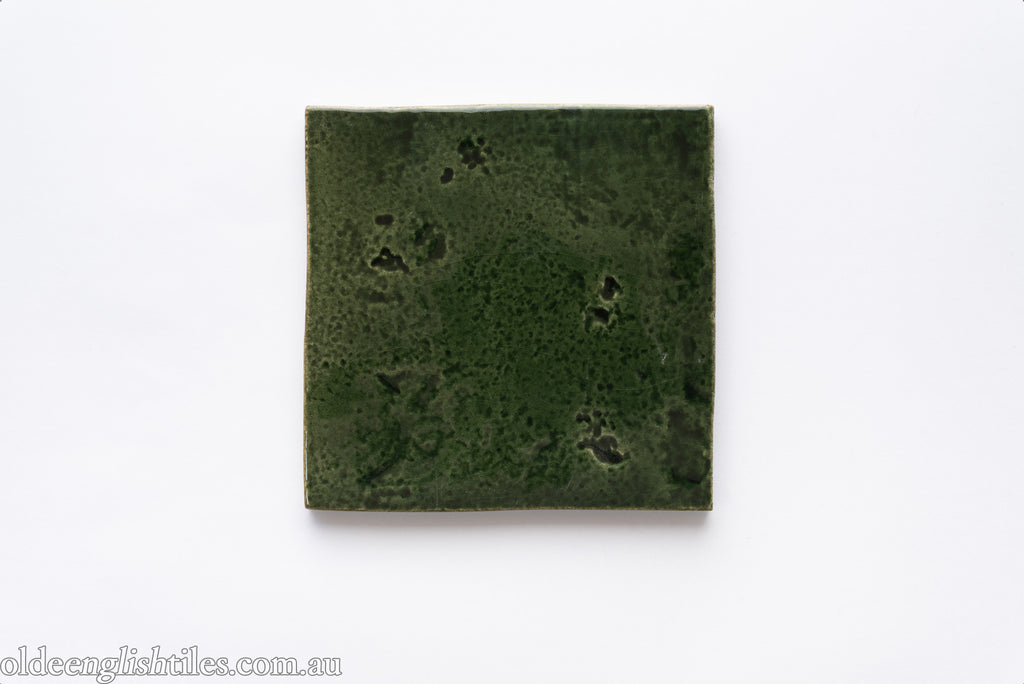
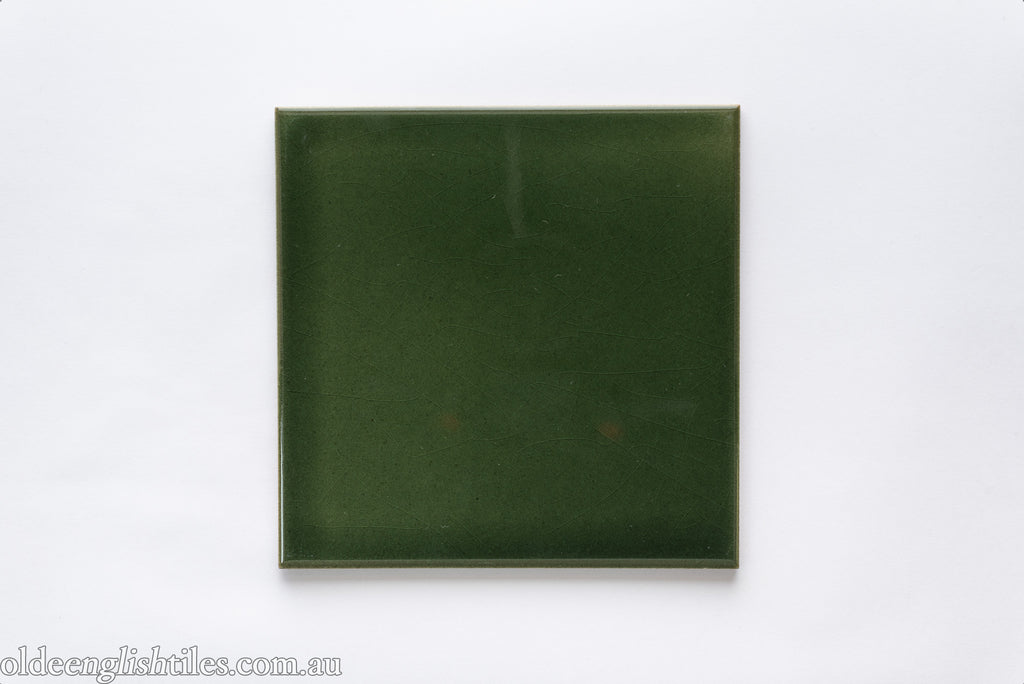
Plain Walls: Our wall tiles are available in 4 sizes/shapes and several textures, suitable for traditional & modern residential & commercial projects. Hearth: Enhance the drama and charm of your fireplace by combining these 150x75x8mm & 150x150x8mm hearth tiles with our period decor tiles. Feature: "Kakadu" is a 100x100mm embossed feature tile suitable as a highlight in a wide variety of situations.
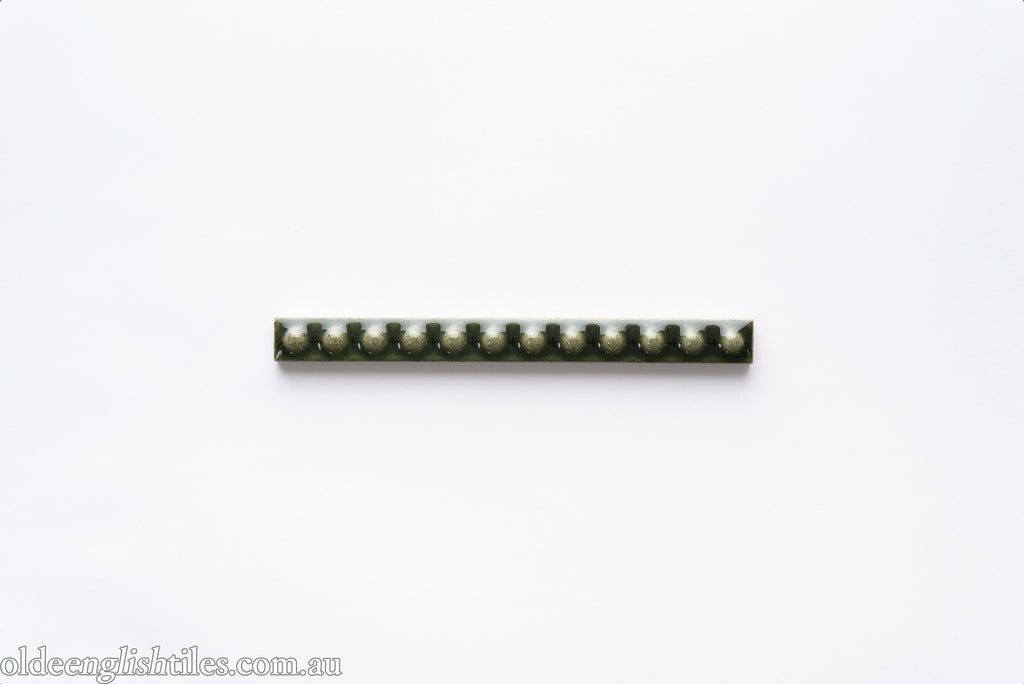
150mm Strips
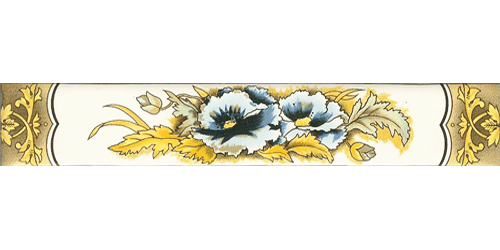
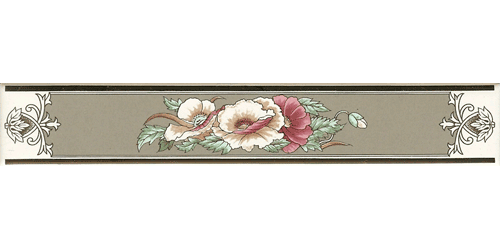
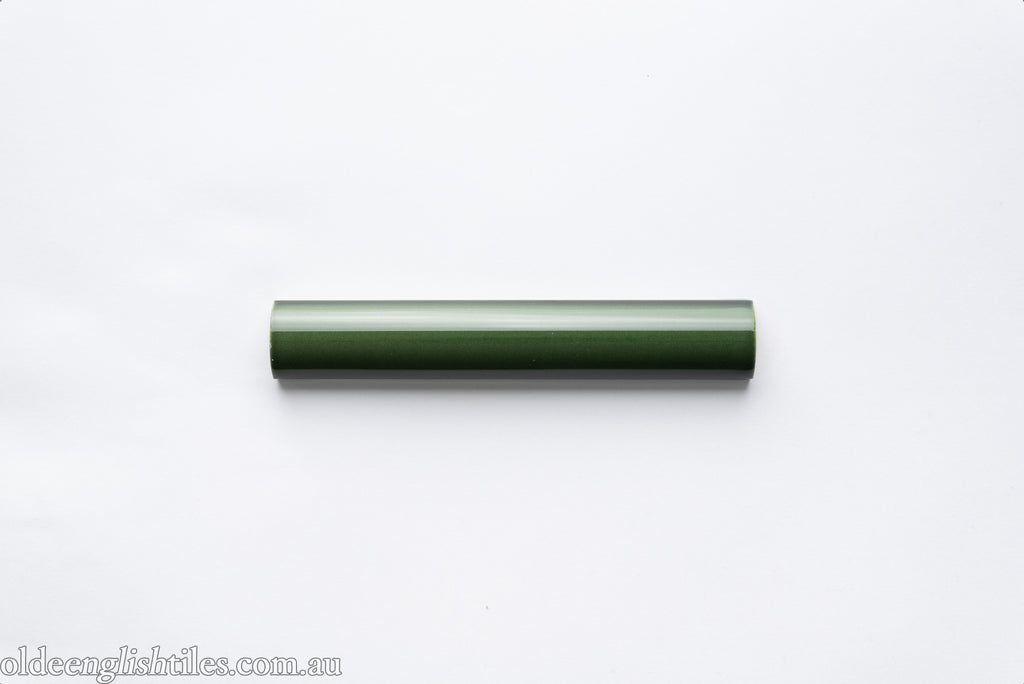
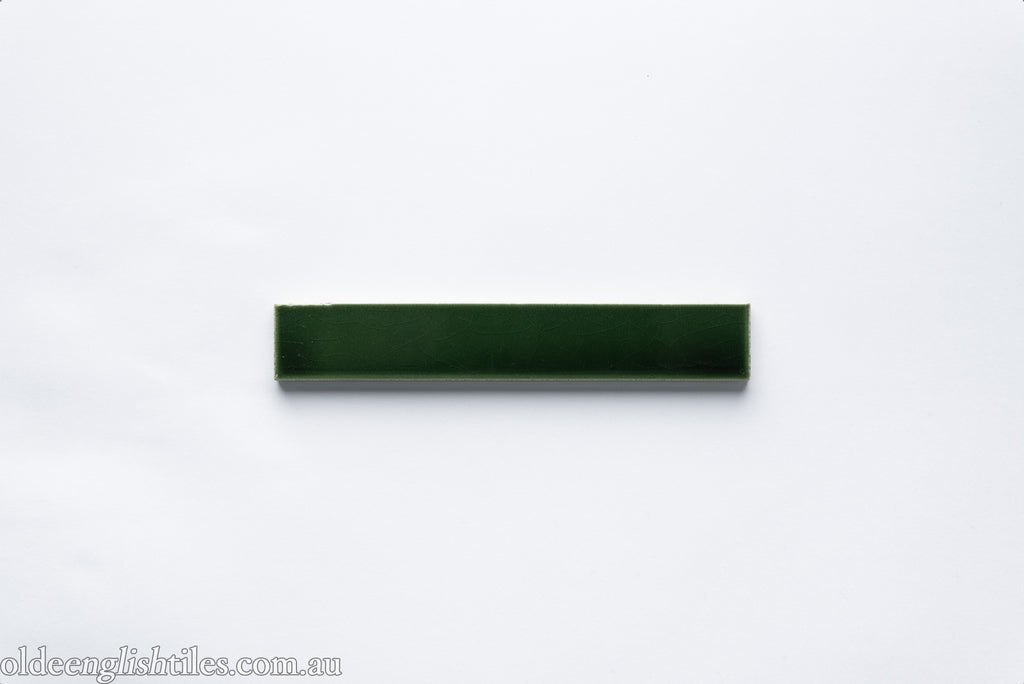
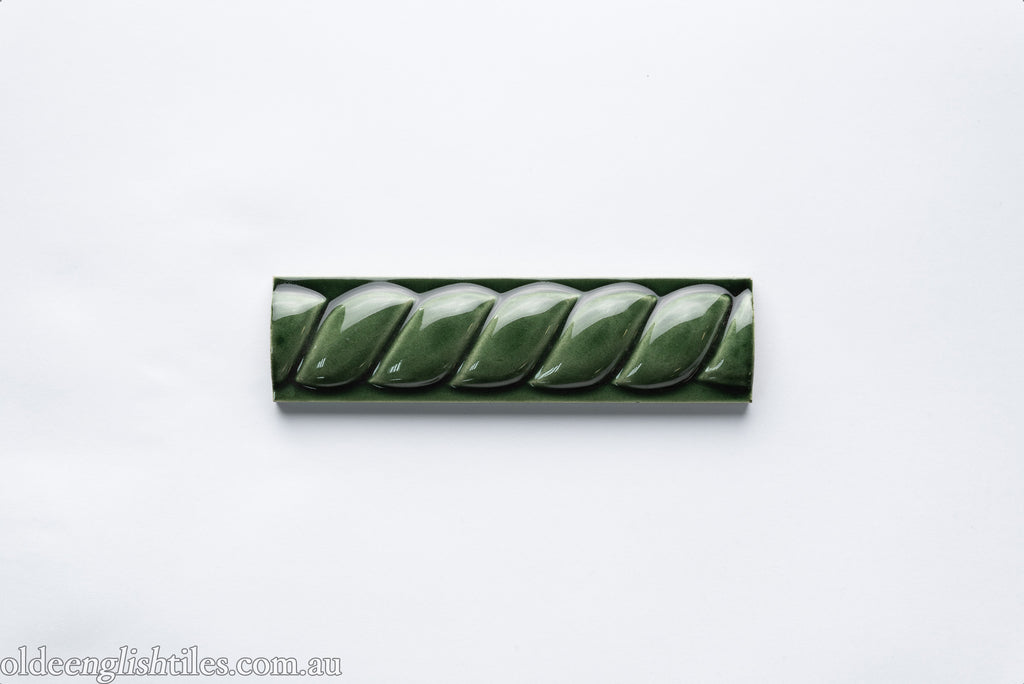
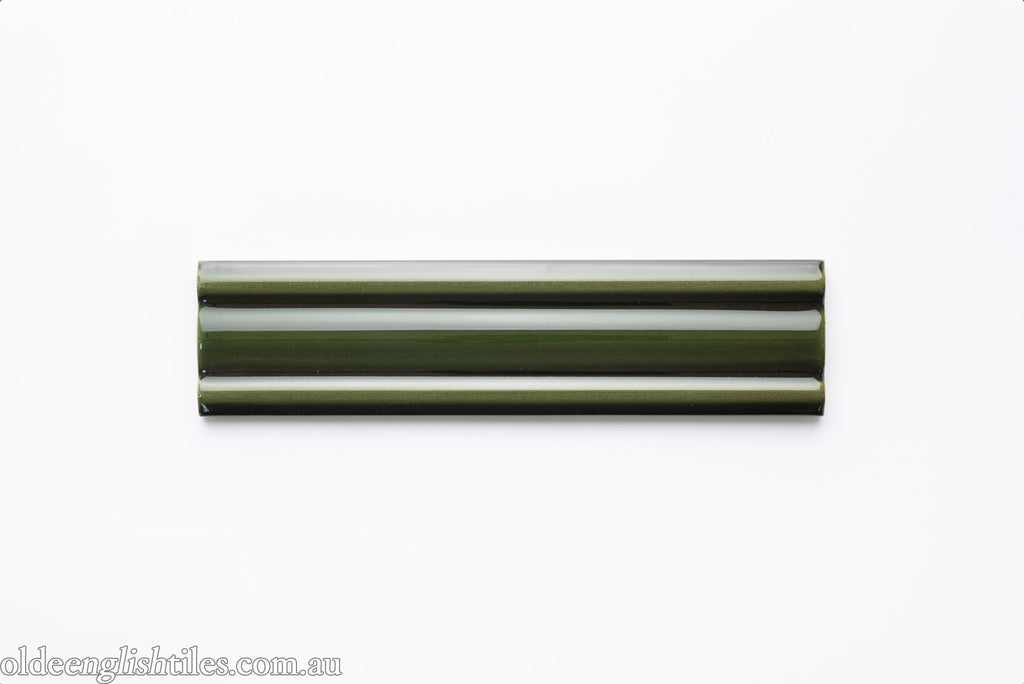
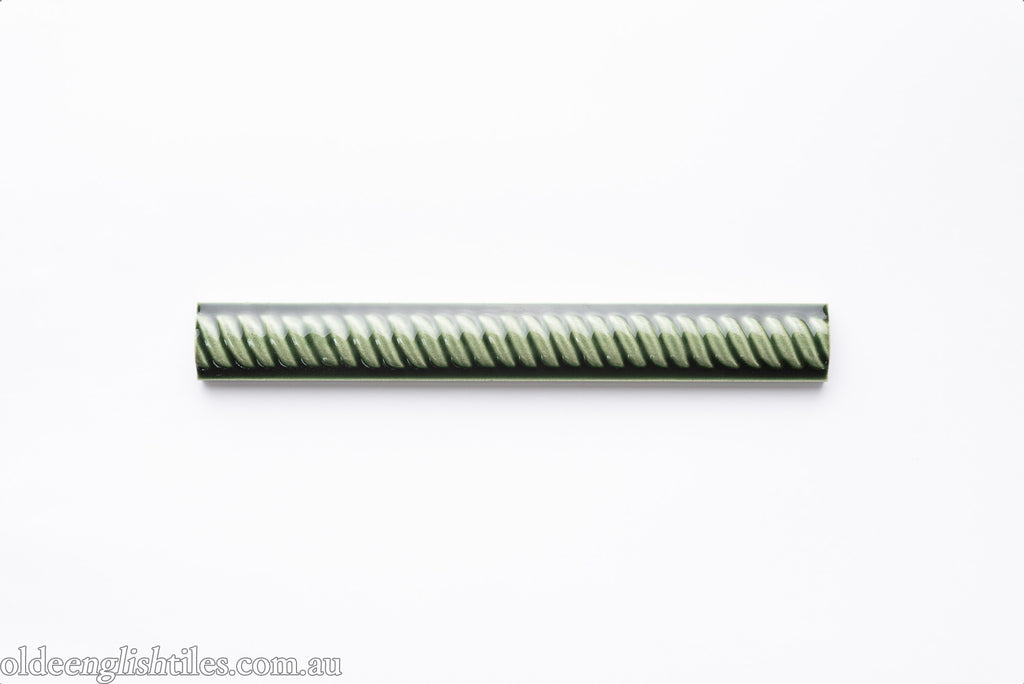
Our large range of strips - listello style & decorative - are suitable as accents in combination with our printed tiles, embossed patterns or as single decorative highlights. Renovating a Victorian cottage, an Art Deco pub, or a contemporary styled cafe? There are myriad options here to achieve your design vision.
150mm Capping, Coving & Round Edge
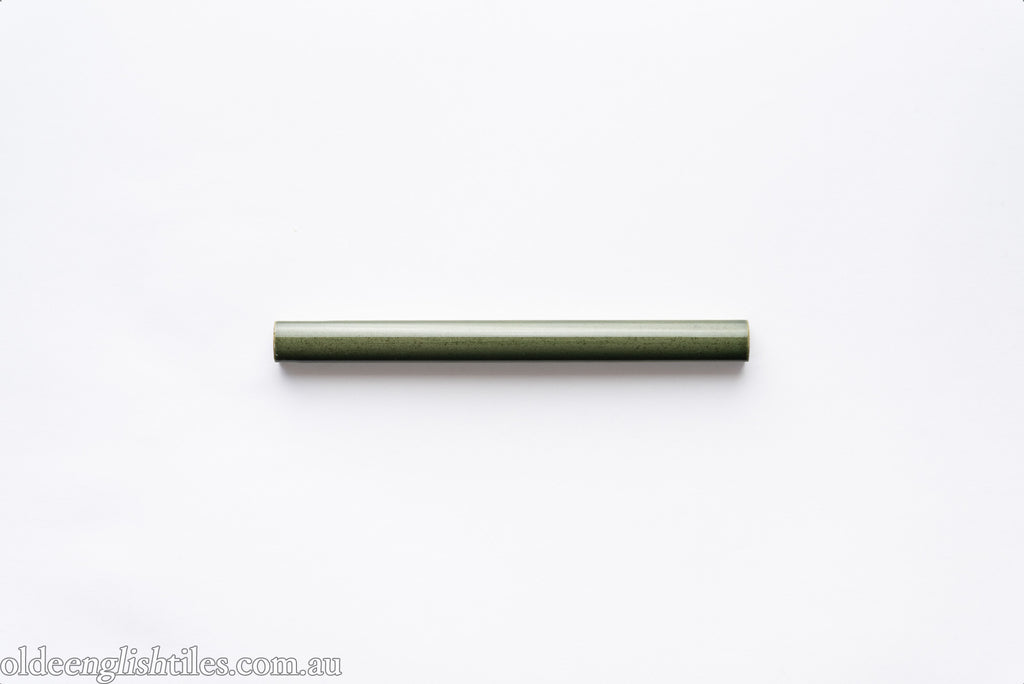
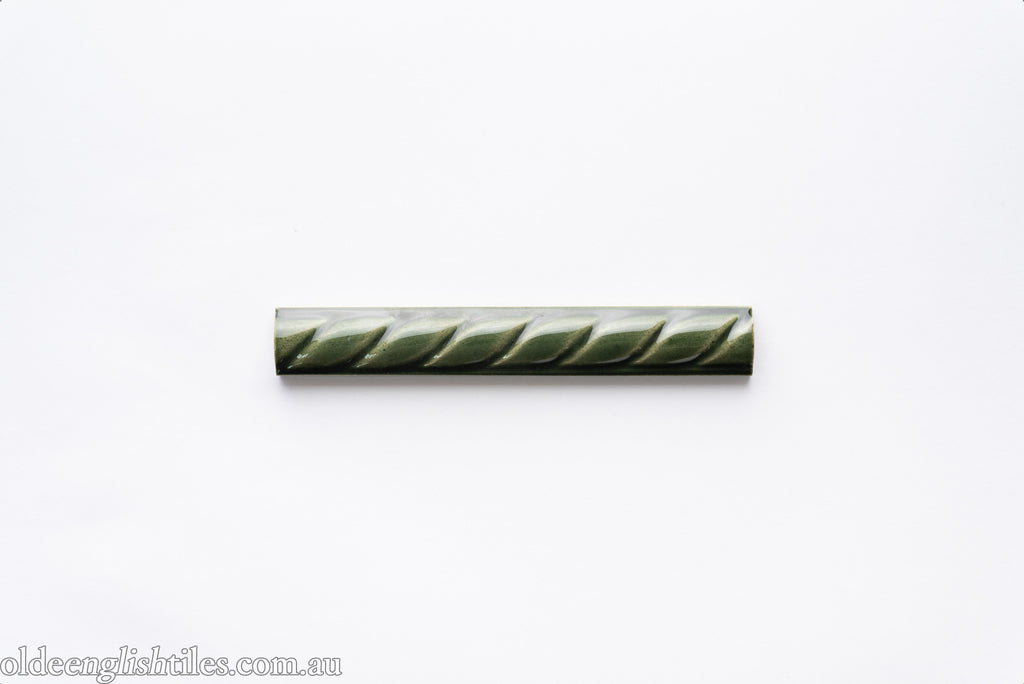
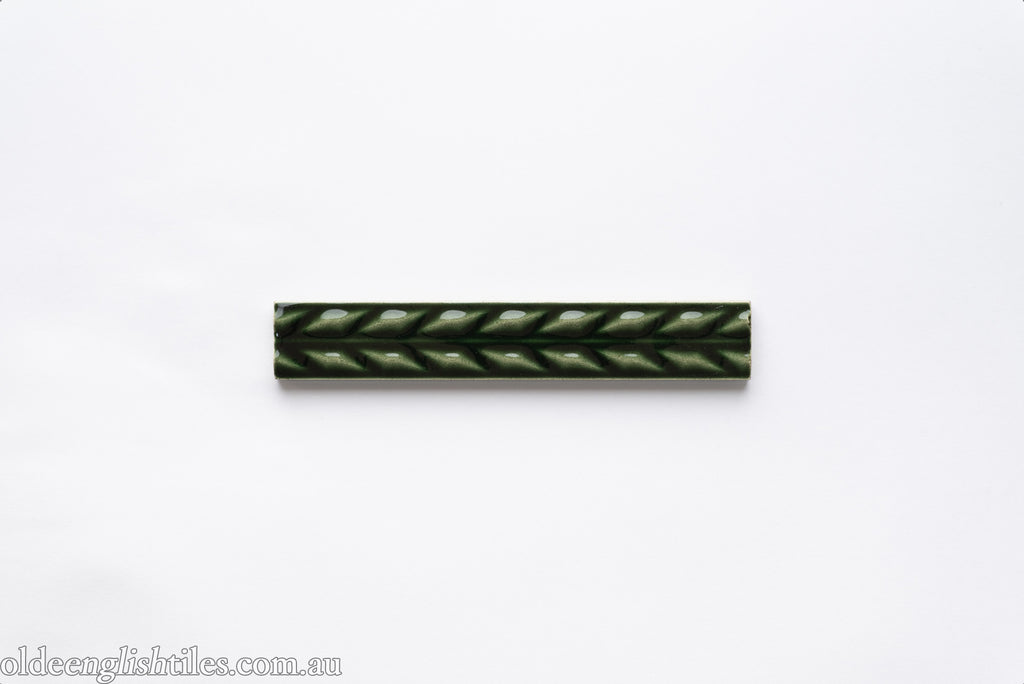
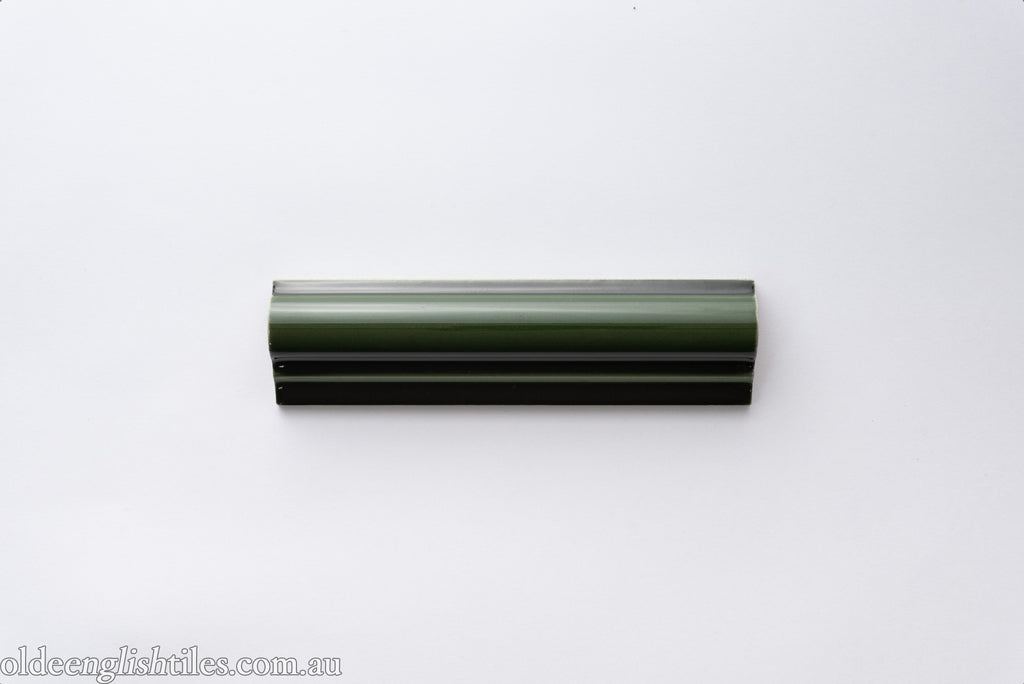
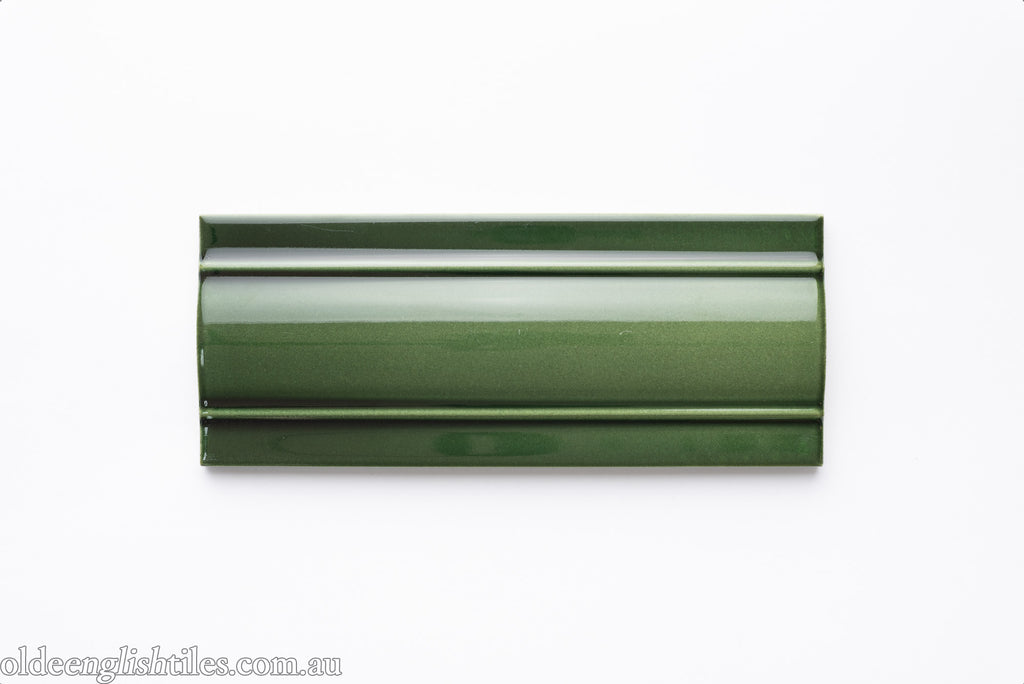
Capping: Capping tiles are key feature of period bathrooms and popular for the commercial facades. They add character to a tiled wall as well as being practical. Coving: Coving are hygienic, practical & stylish; internal coves make it easier to clean. By eliminating sharp edges on nib walls & niches, external coves make life easier and safer. Round-Edge: Nib walls, niches, reveal windows - all benefit from the use of round-edge tiles.
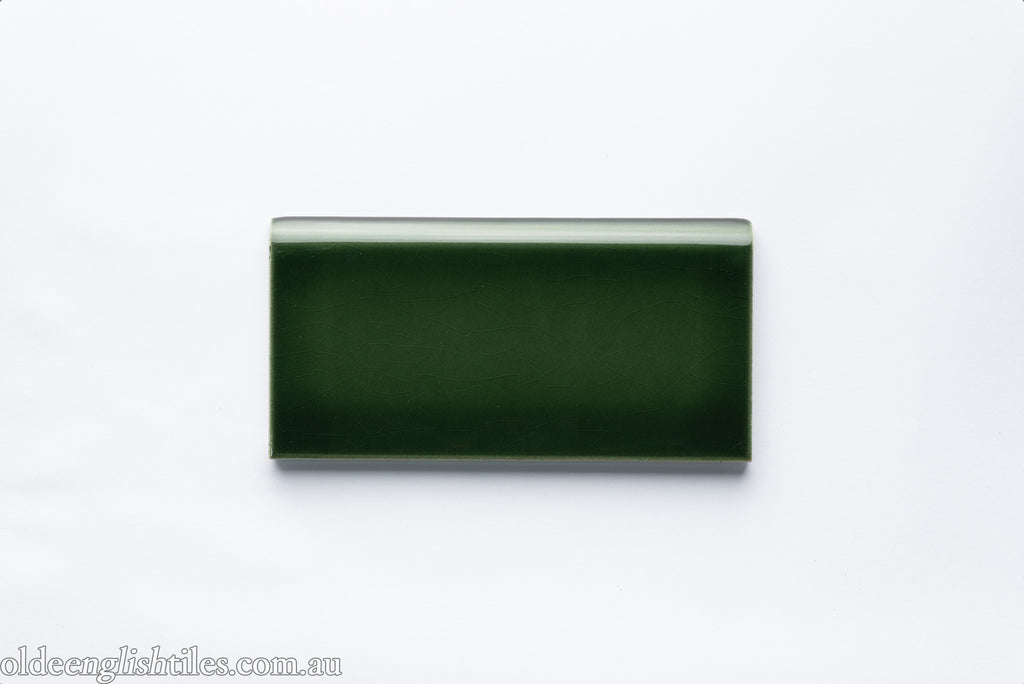
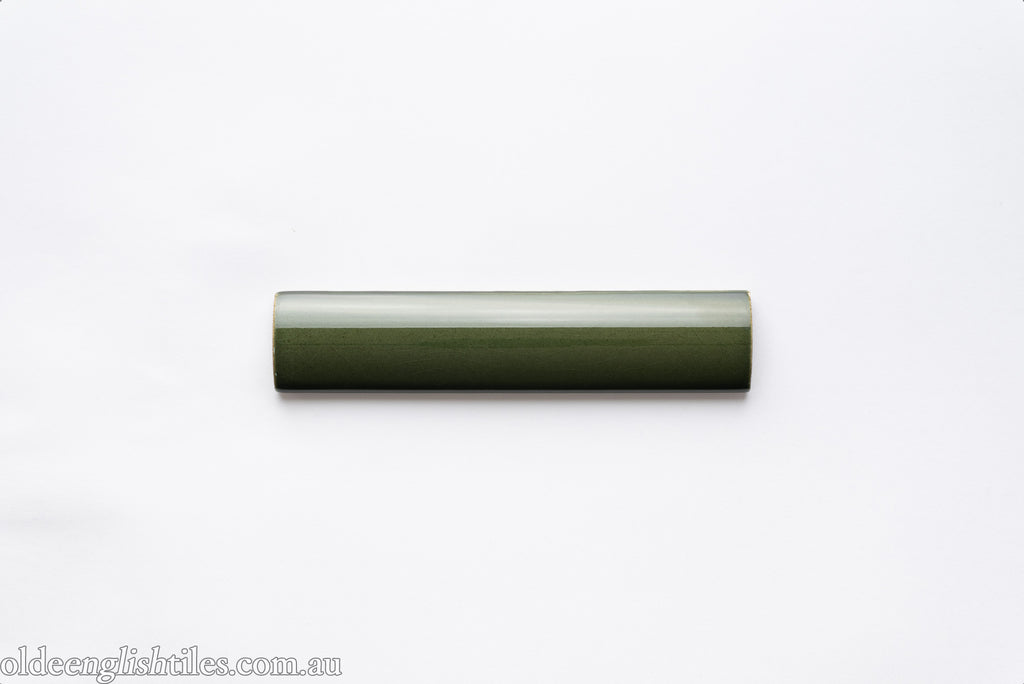
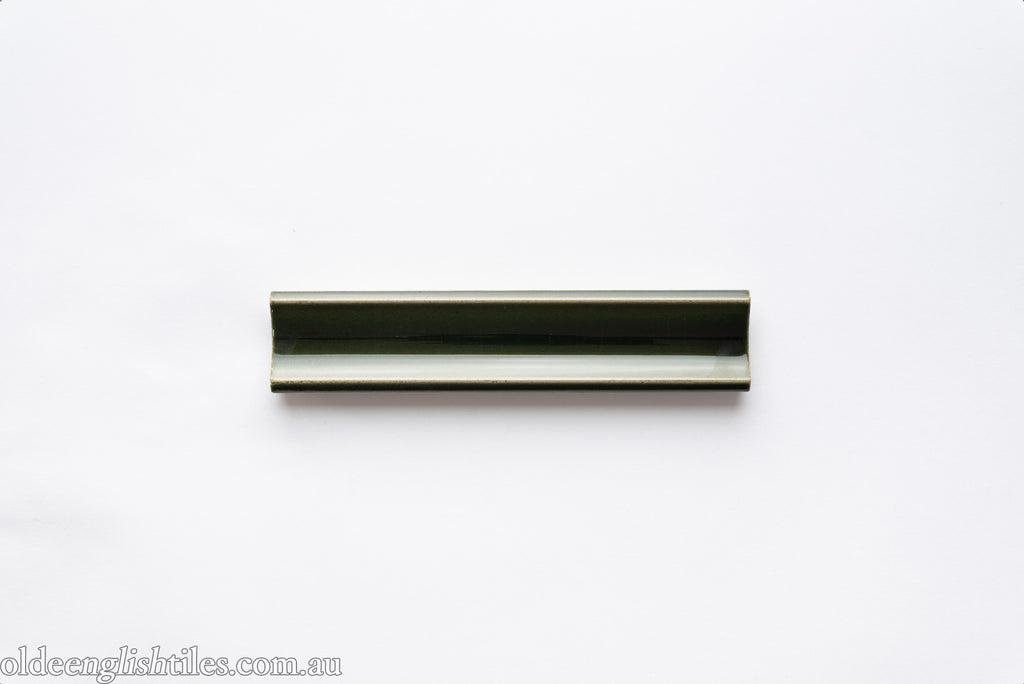
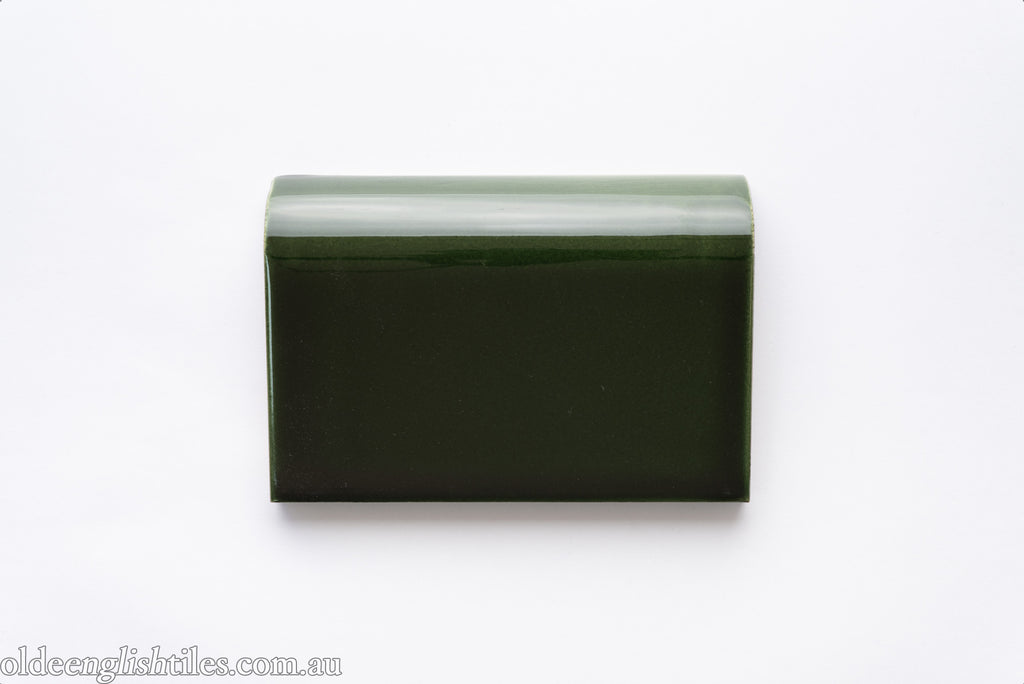
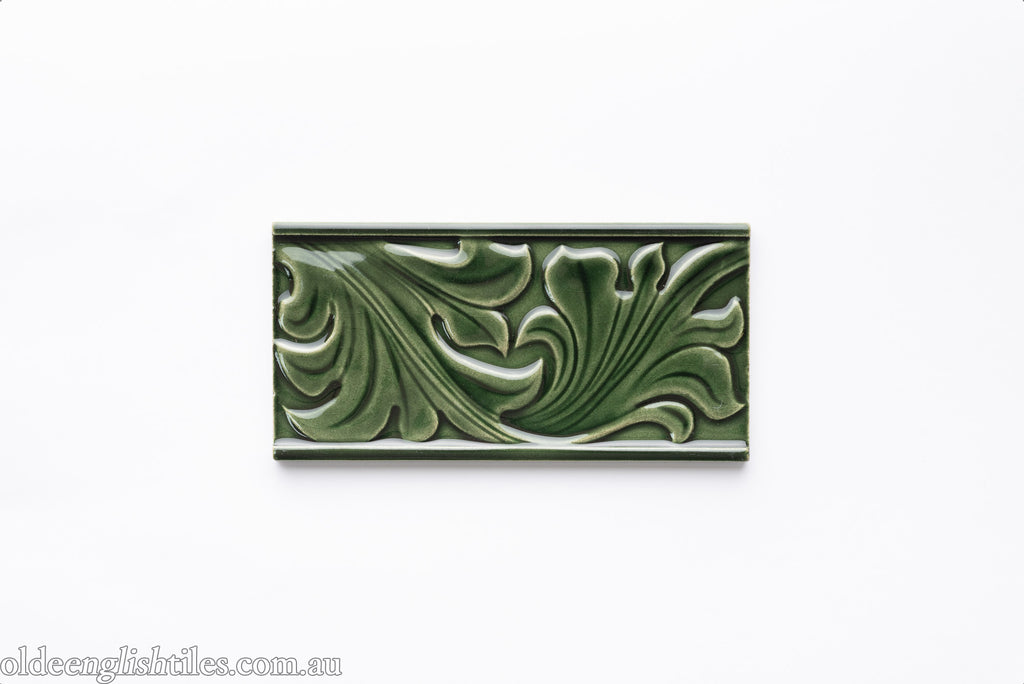
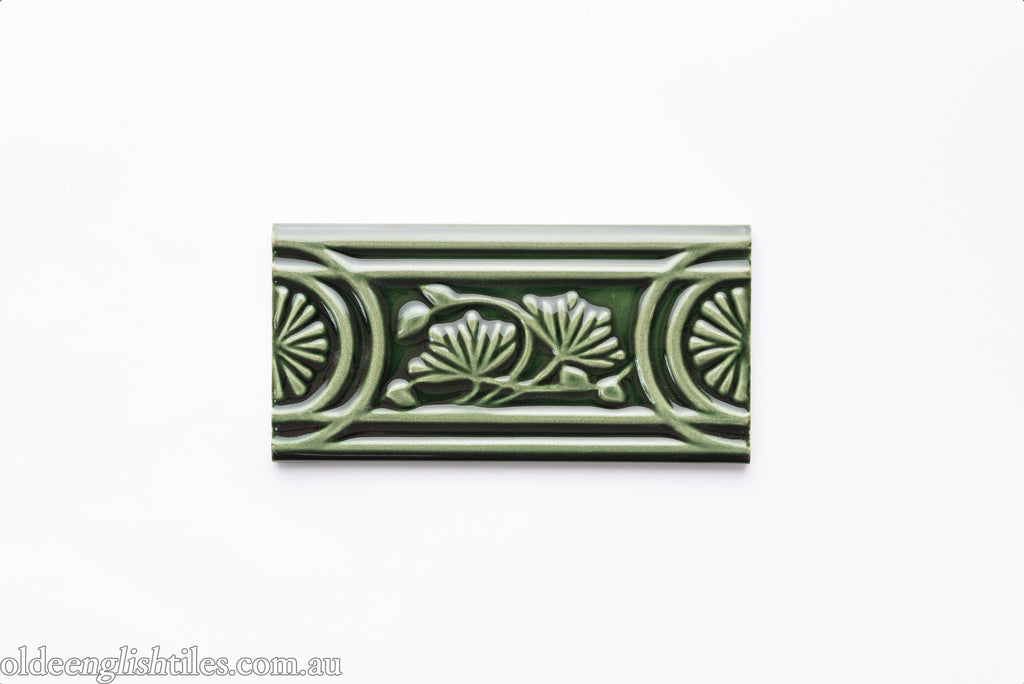
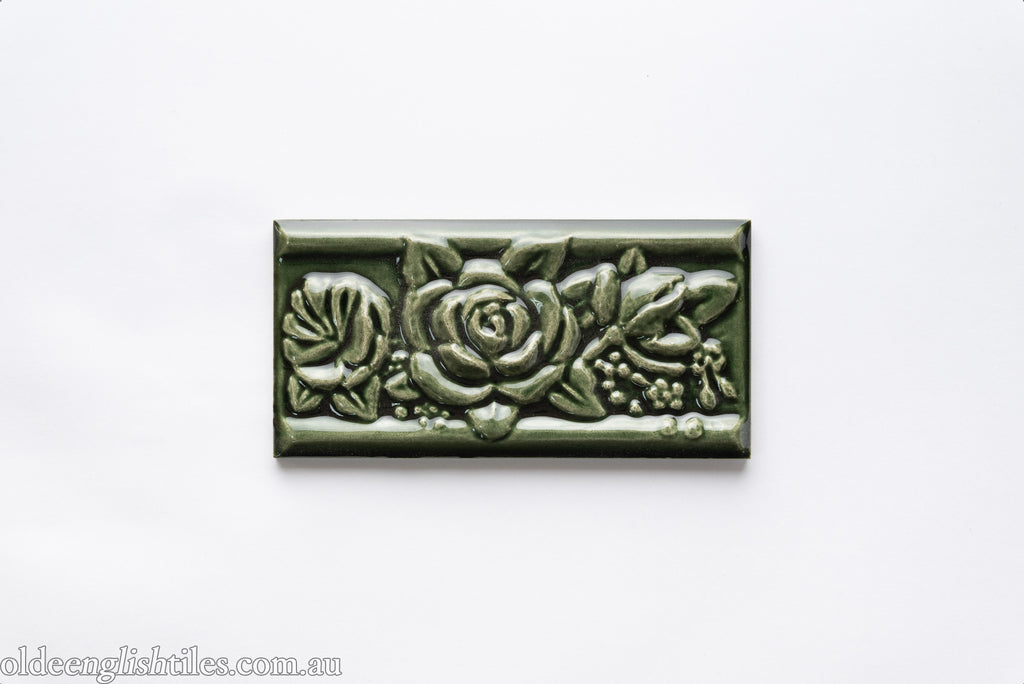
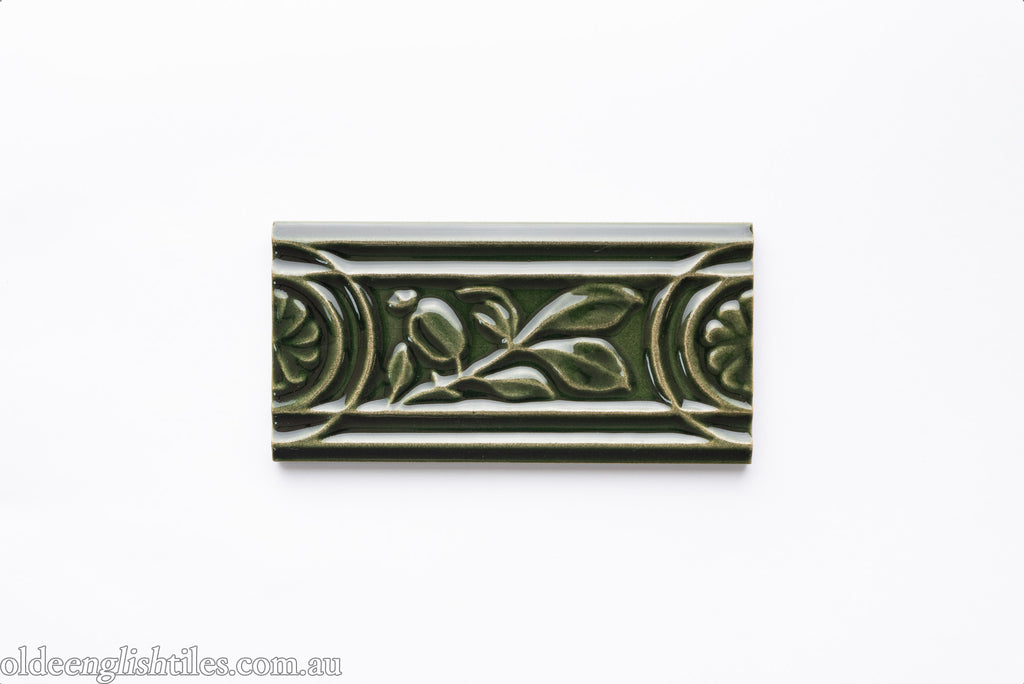
150mm Embossed
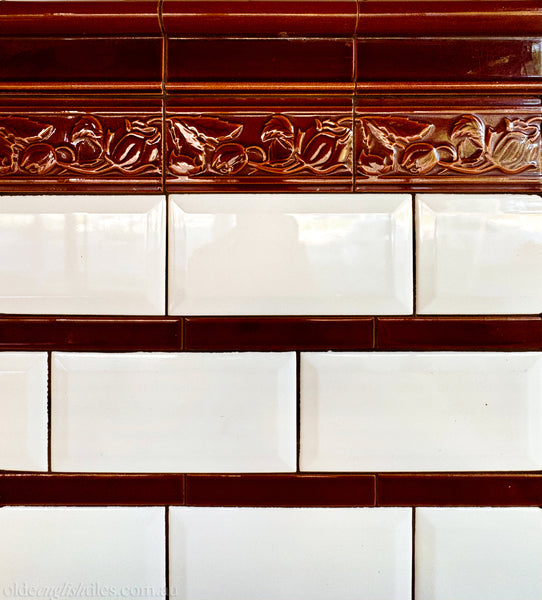
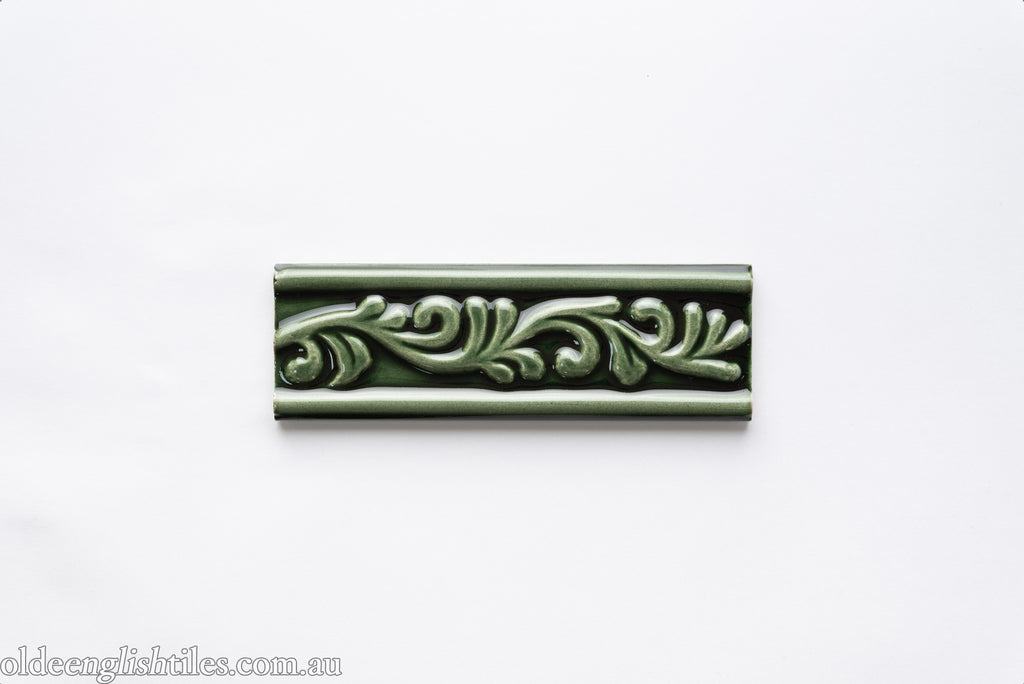
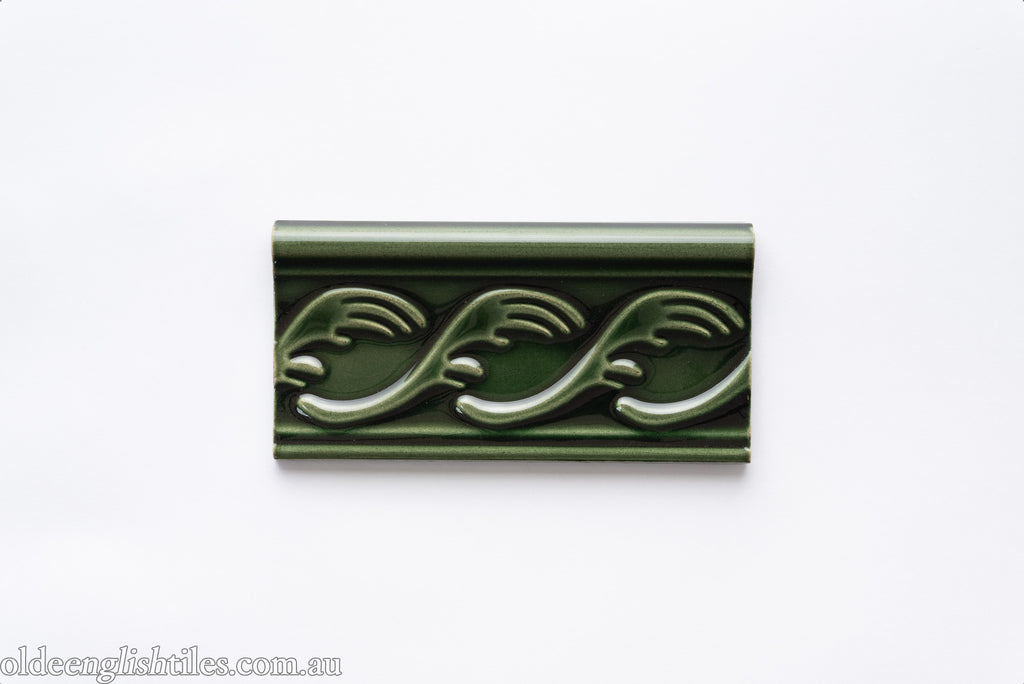
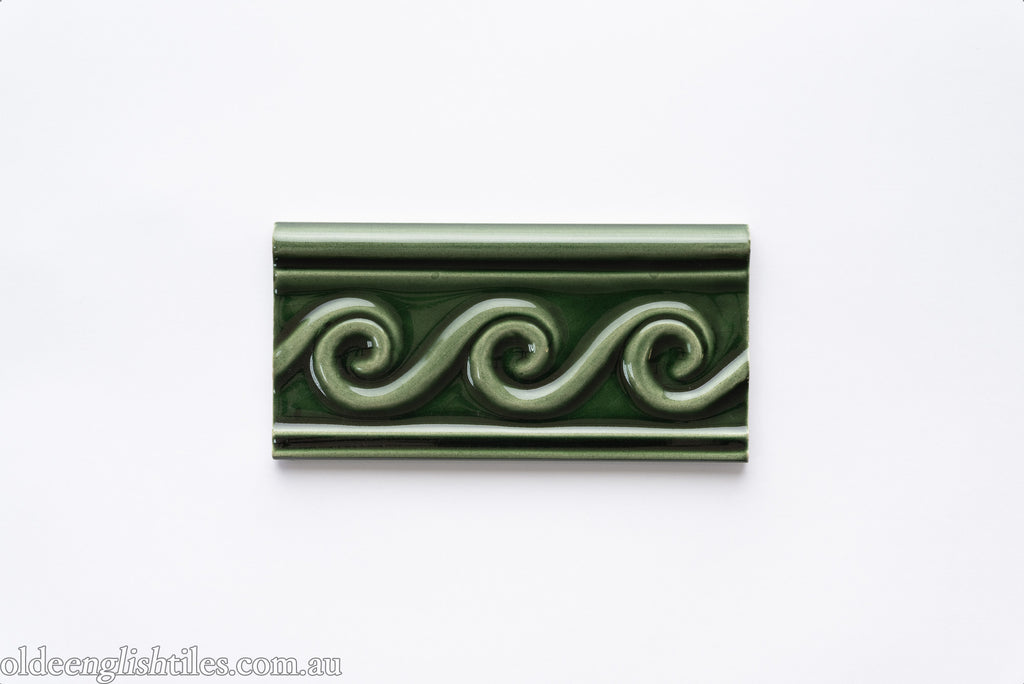
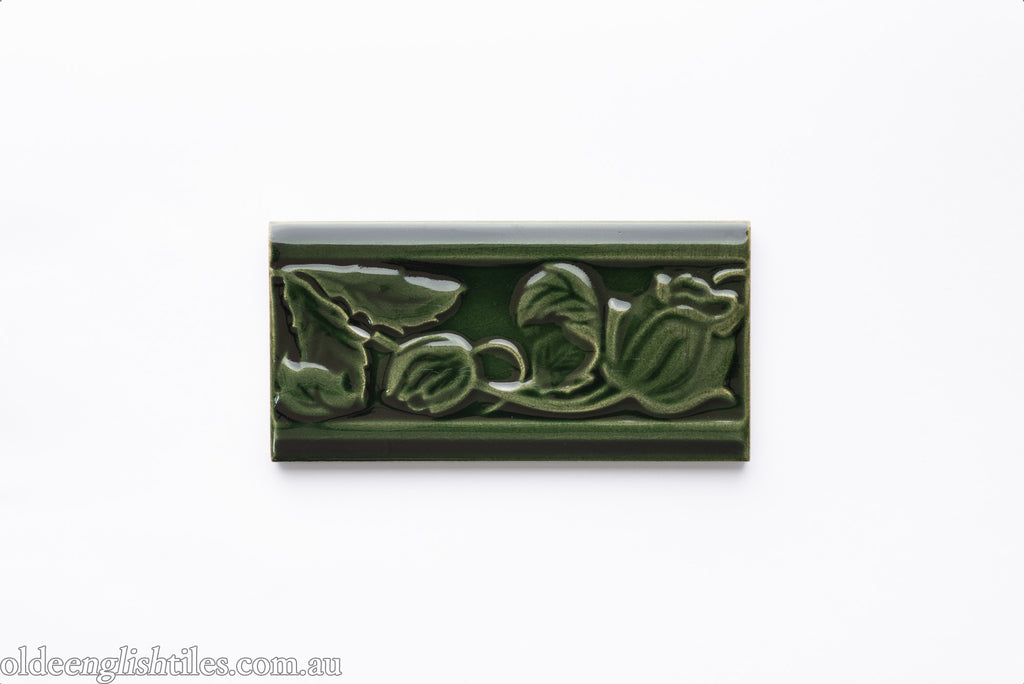
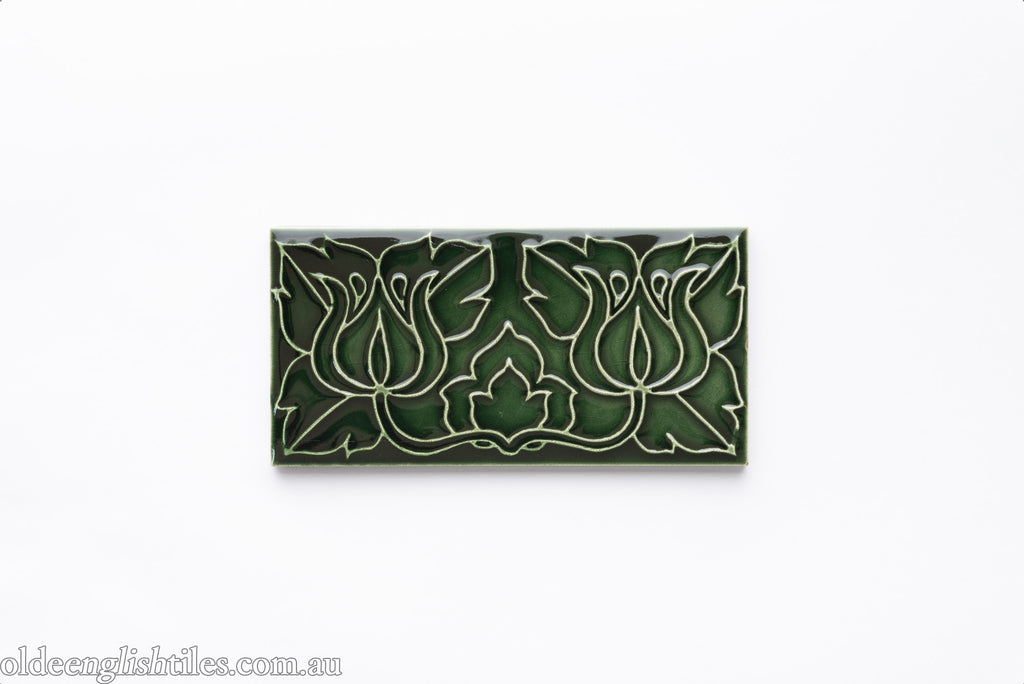
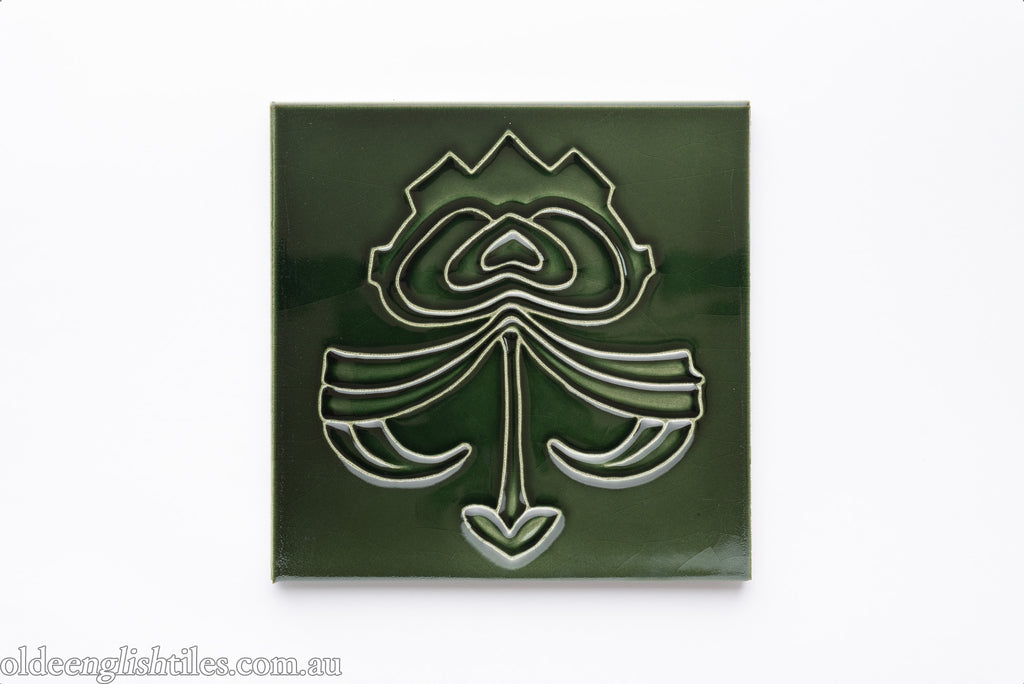
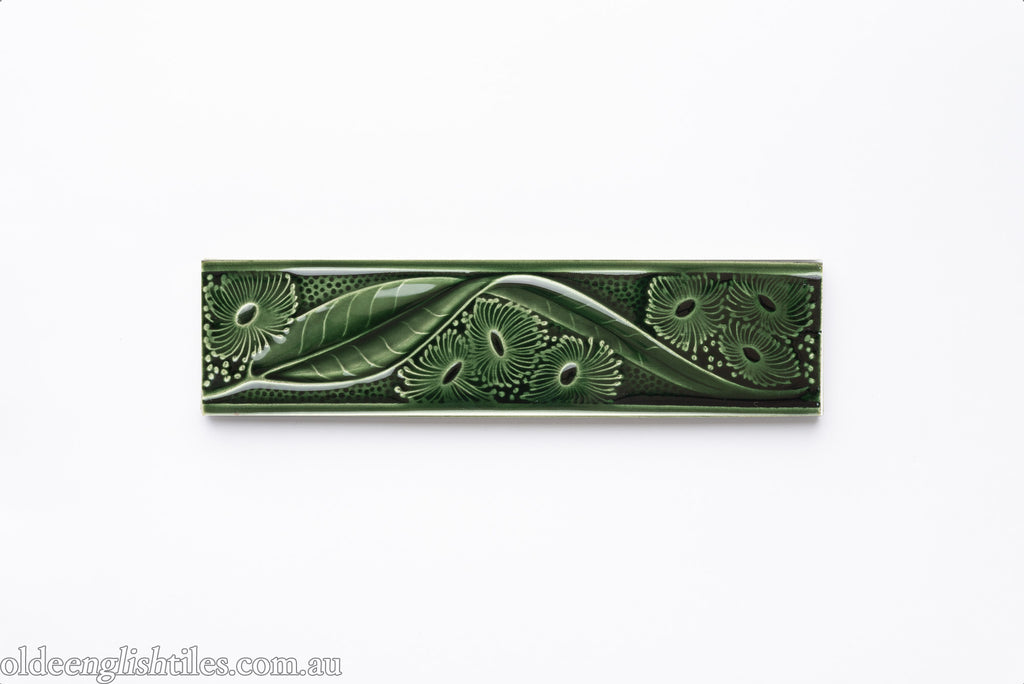
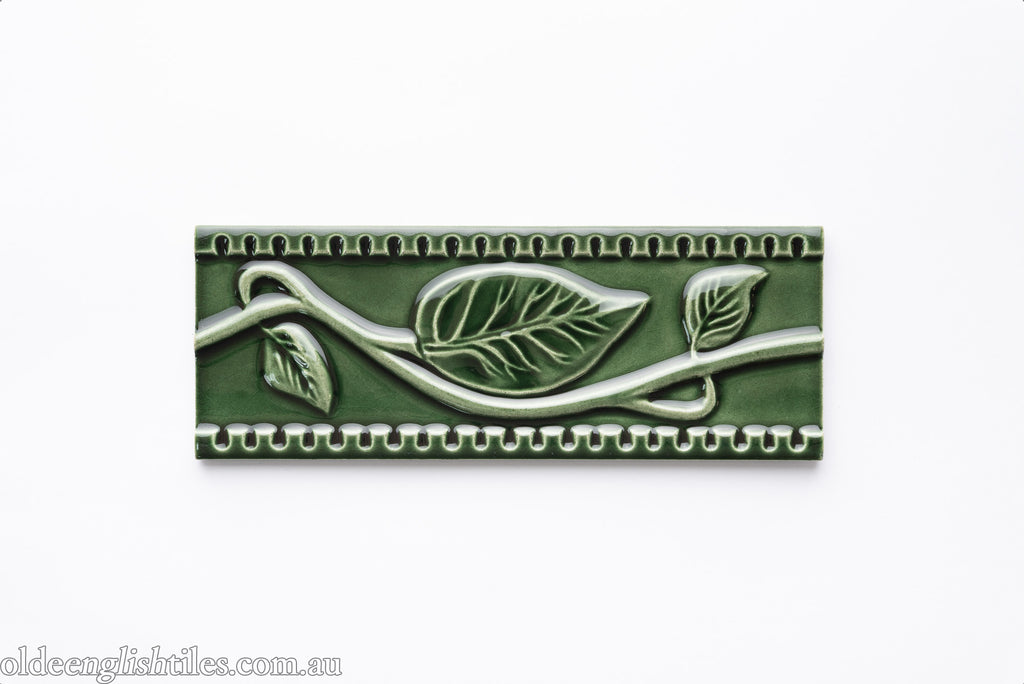
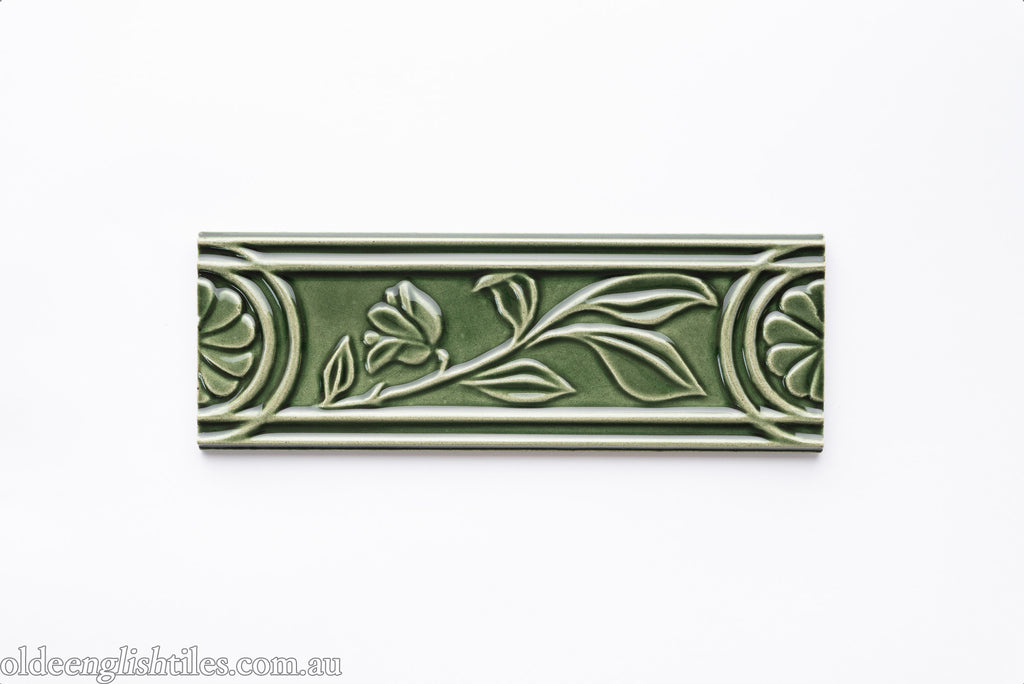
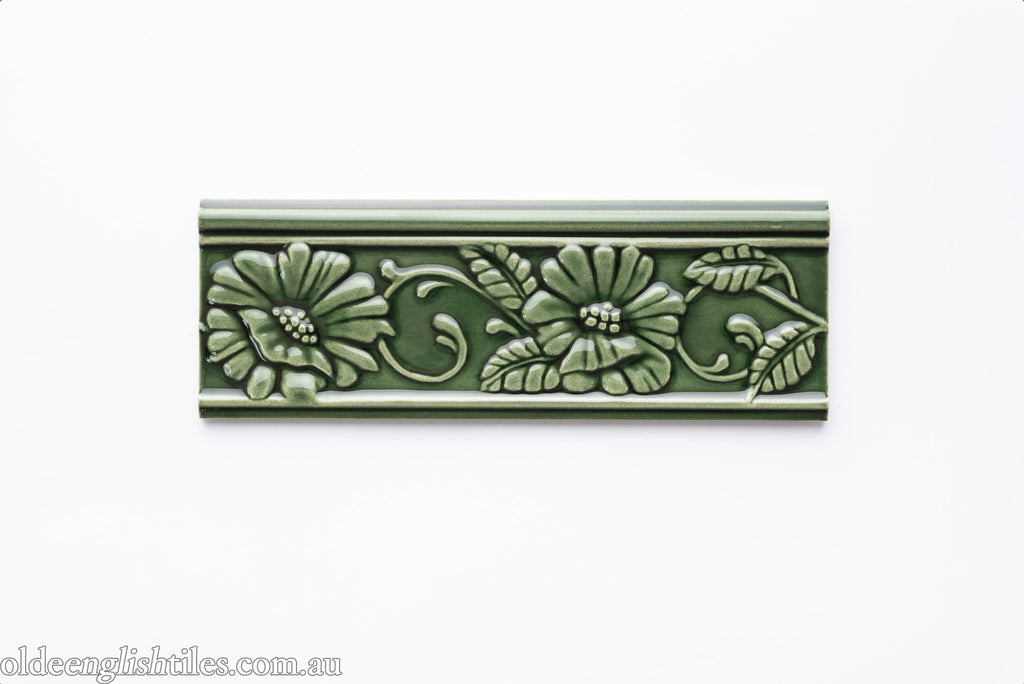
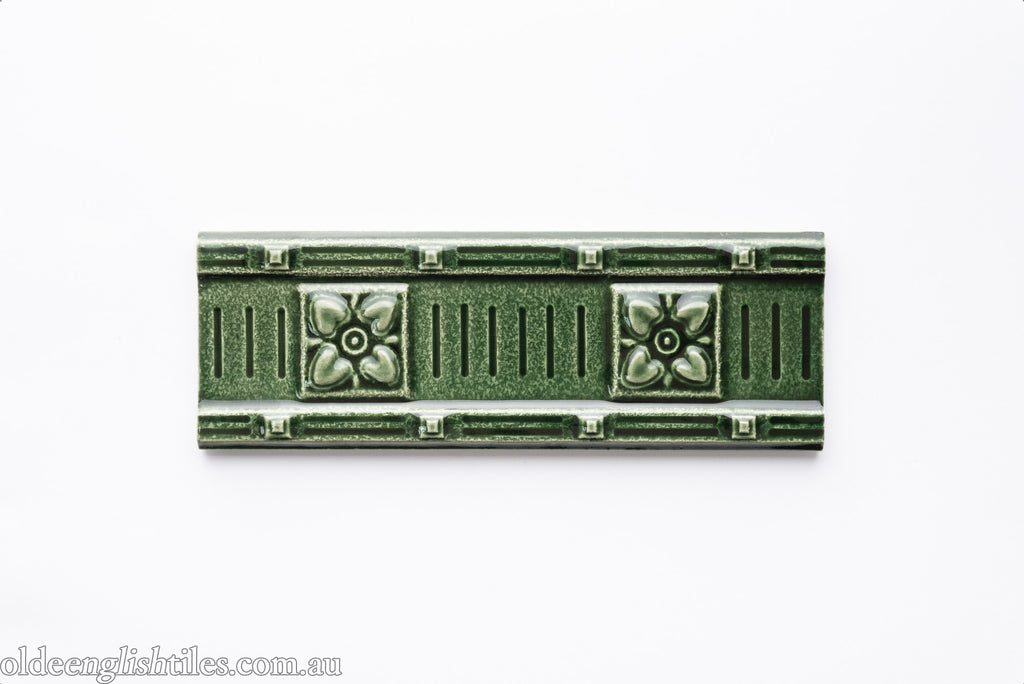
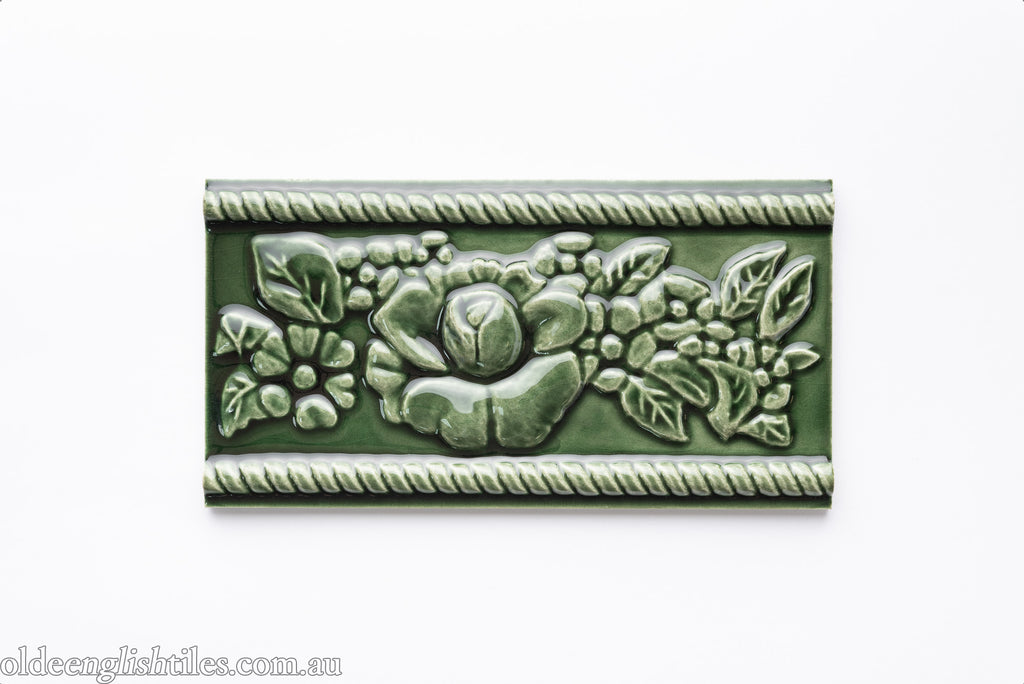
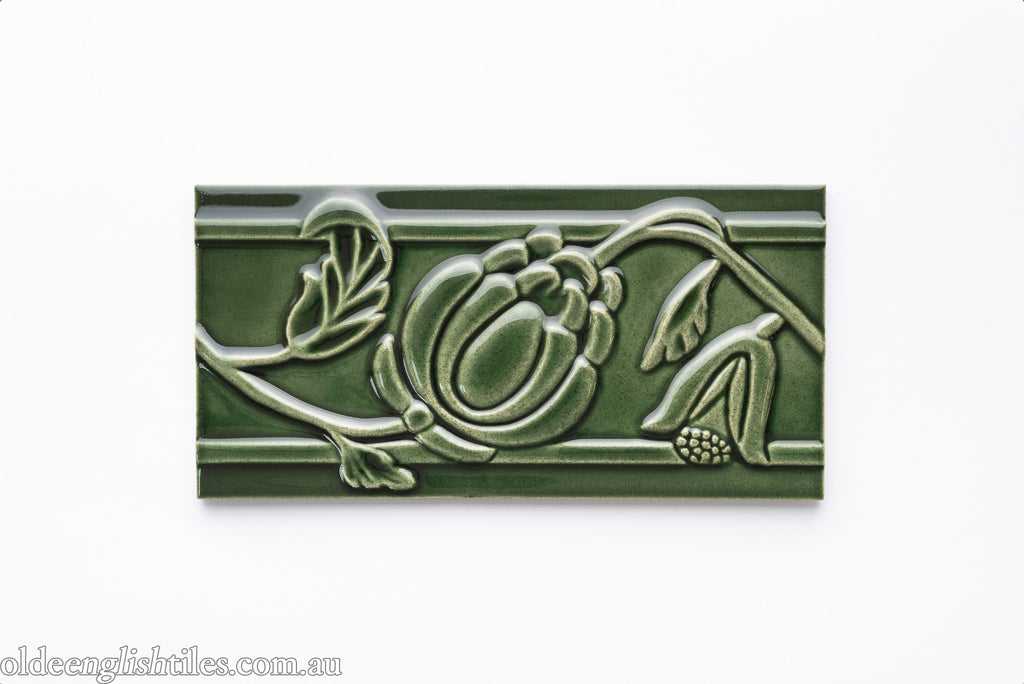
Our huge range of floral & geometric decorative embossed & tubeline tiles cover styles from late Georgian through Victorian, Art Nouveau/Edwardian to Art Deco and Country. Suitable for bathroom & kitchen friezes, stair risers & fire hearths.

200mm Strips
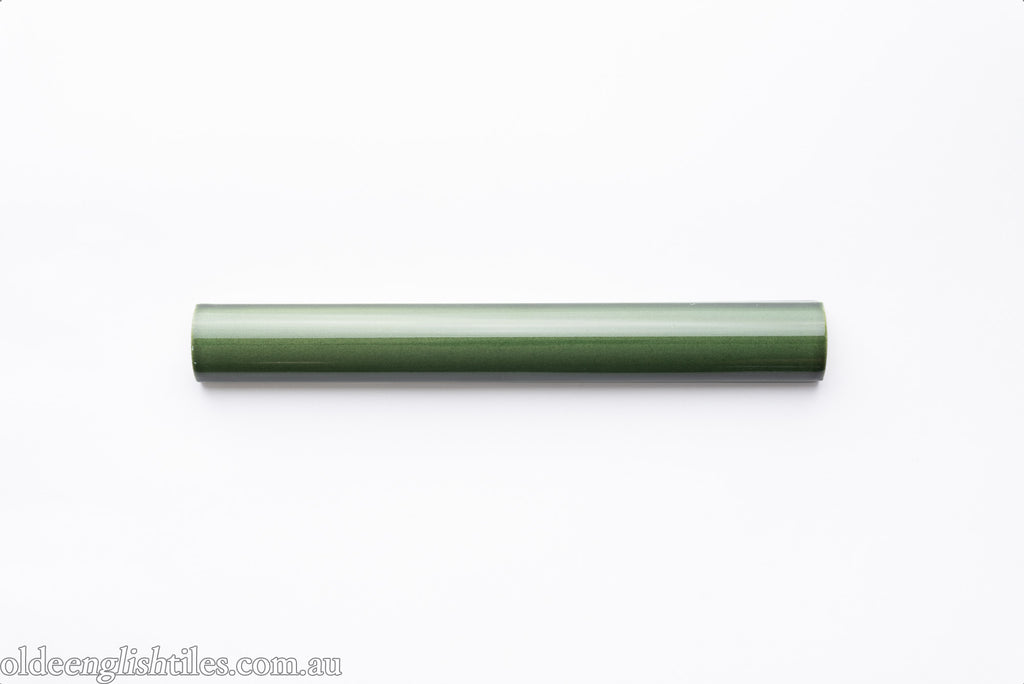
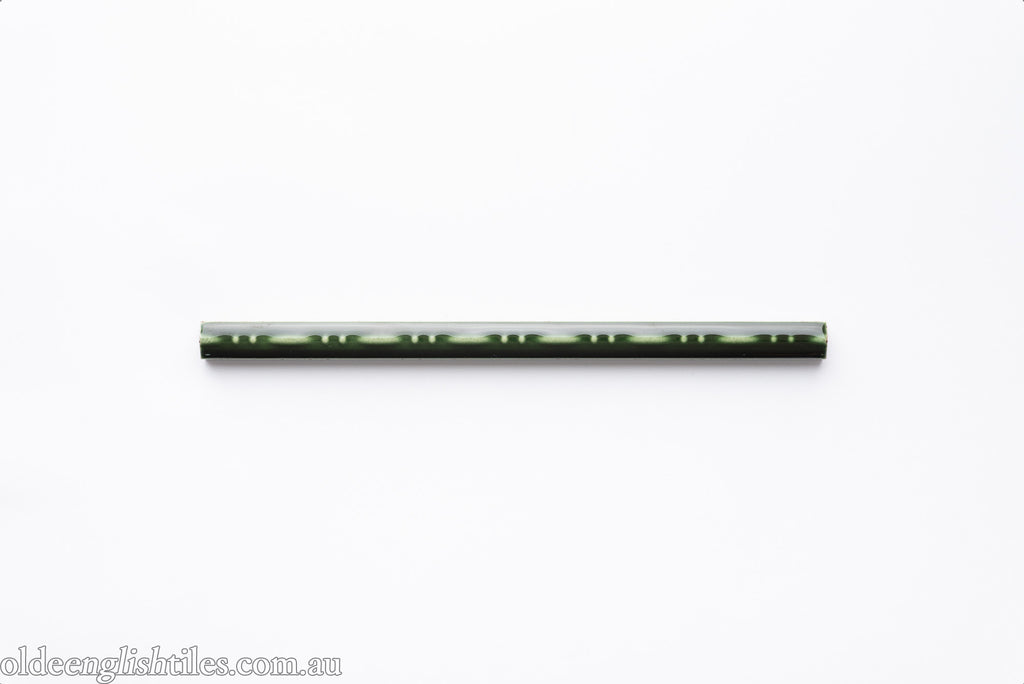
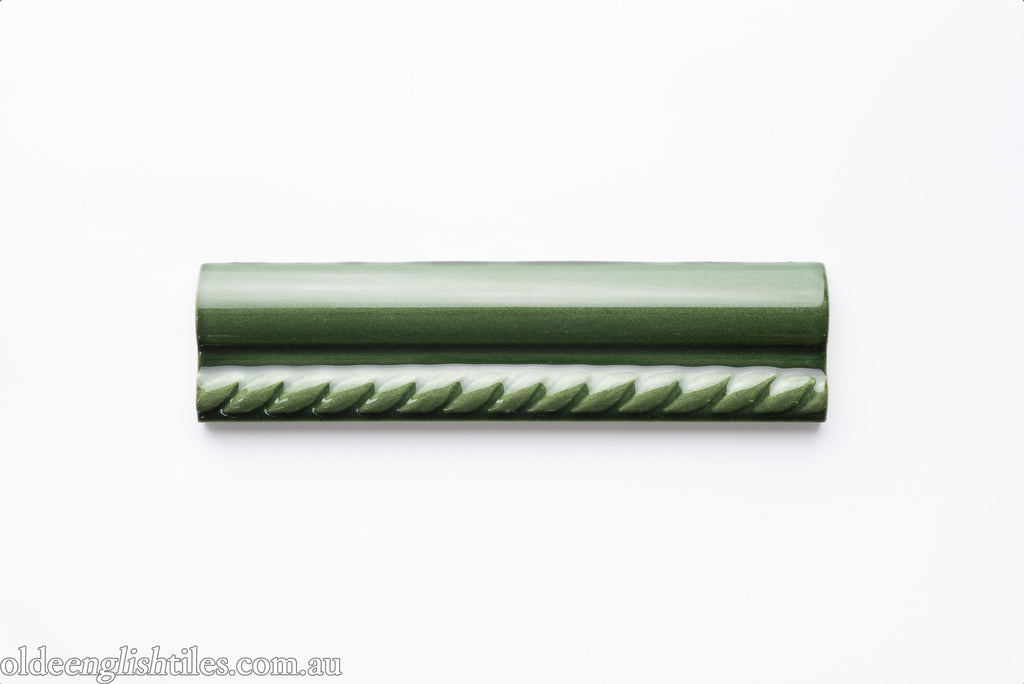
A large range of decorative & listello-style, these strips are ideal either as single decor accents or in conjunction with patterned frieze tiles (printed or embossed). The 200mm length is a more contemporary size, but can be used wherever decor accents are required.
200mm Capping & Coving
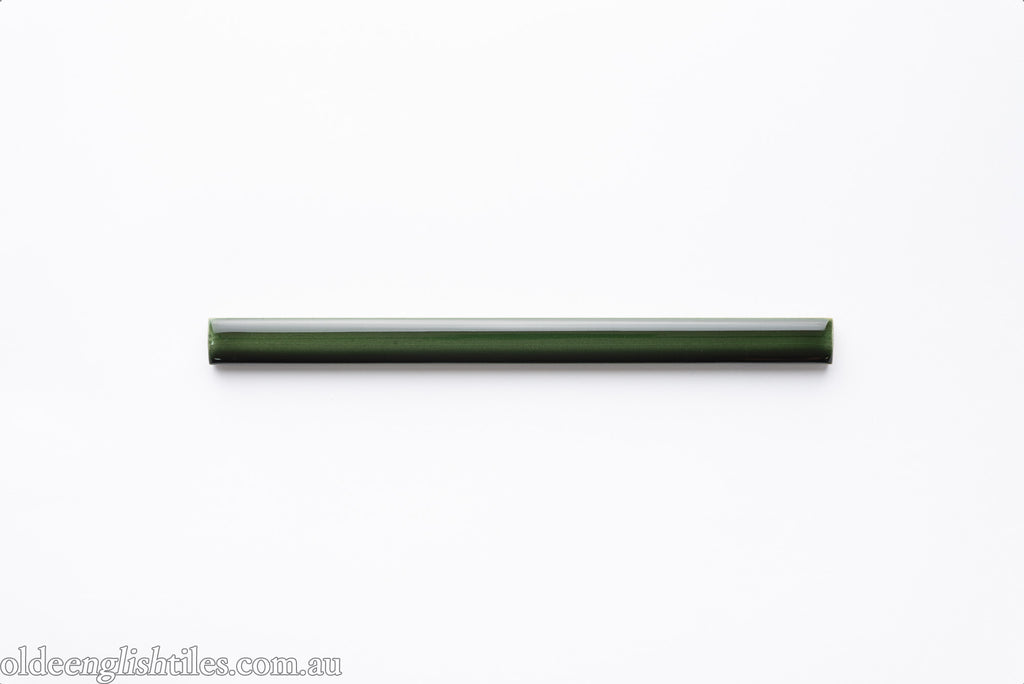
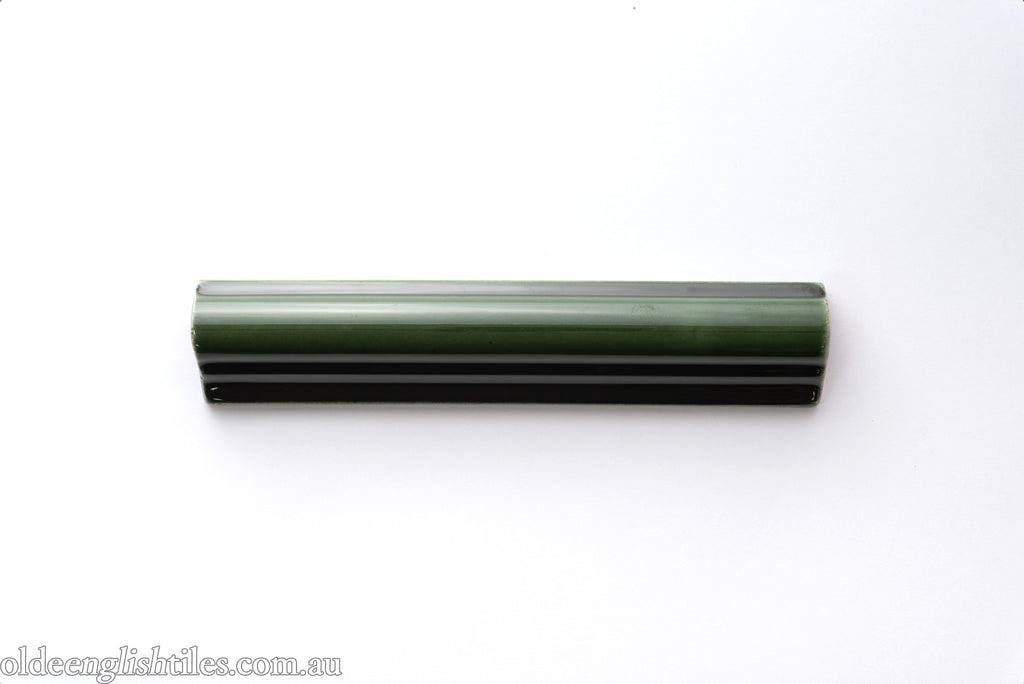
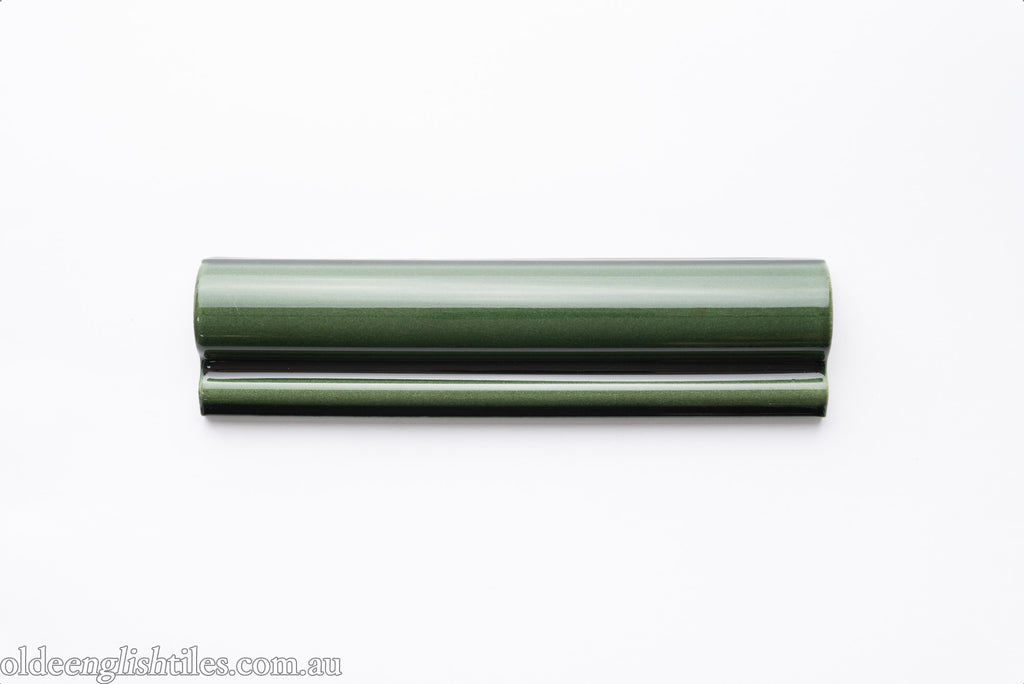
Capping: With the increased popularity of subway tiles and sophisticated rustic styles like the Hamptons-look, capping tiles have made a comeback. Our 200mm capping tiles are available in a variety of profiles - traditional, rustic and modern, to suit a wide range of interior design types. Coving: Practical, hygienic & stylish, internal & external coving tiles are the perfect solution to myriad design & maintenance problems.
200mm Embossed
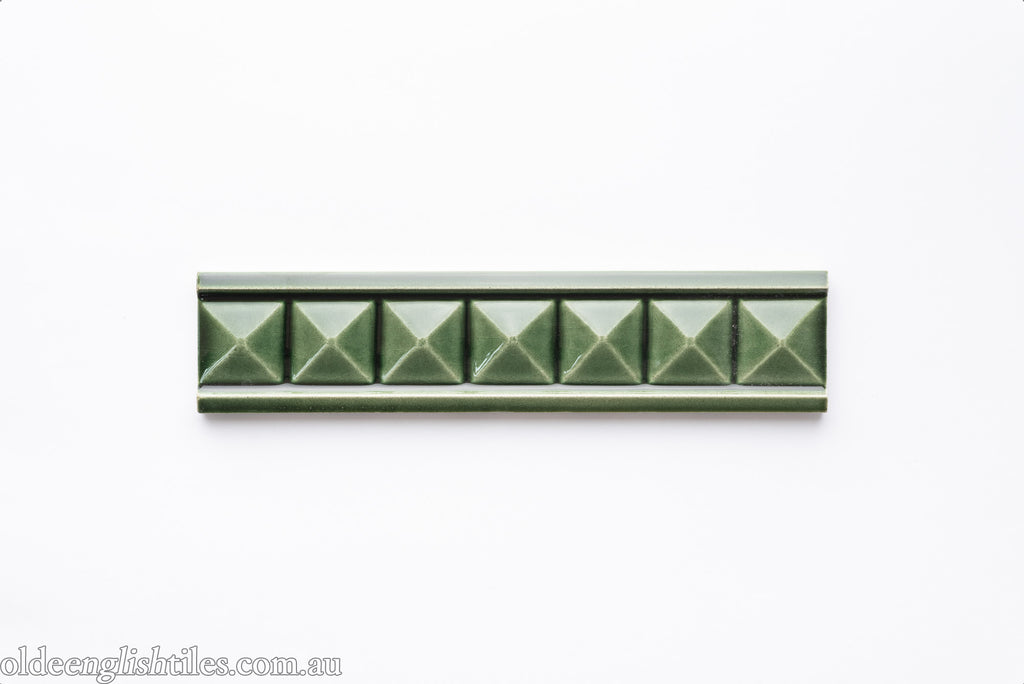
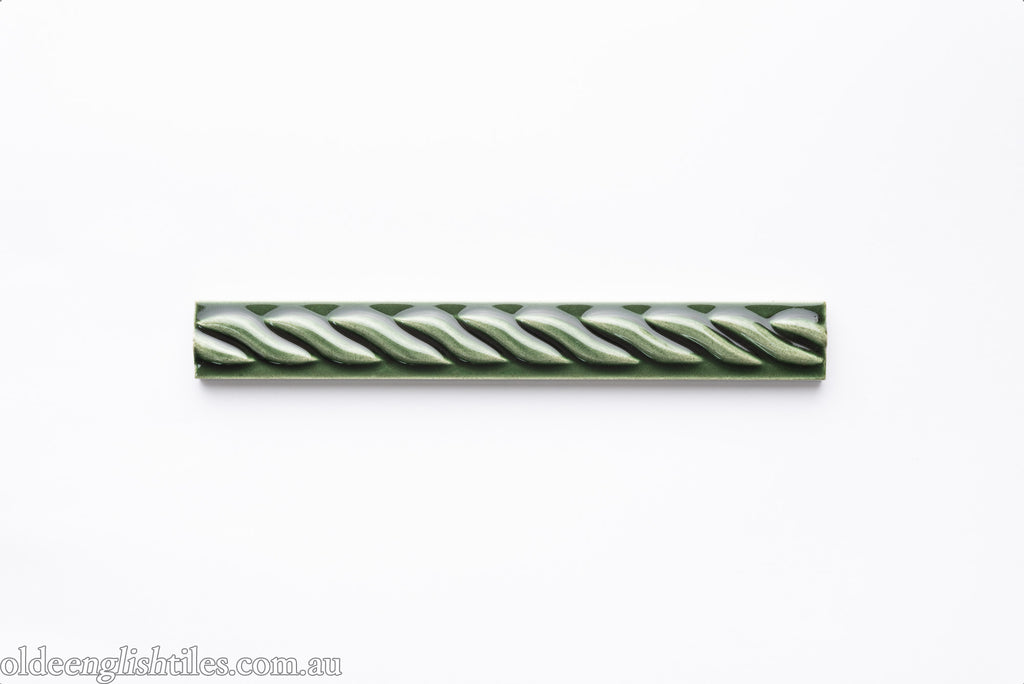
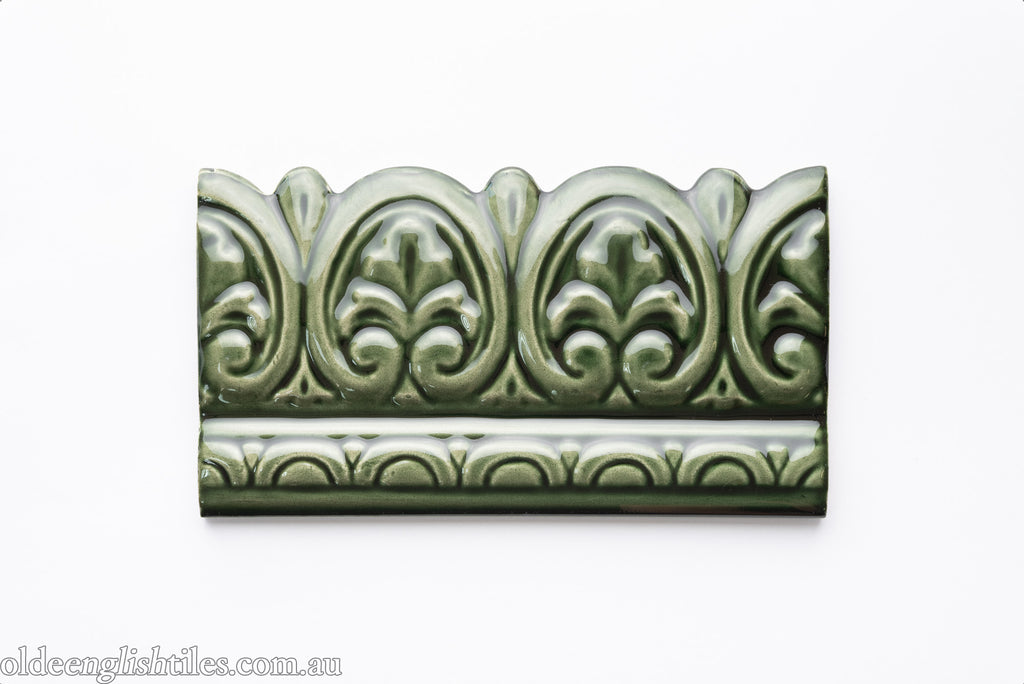
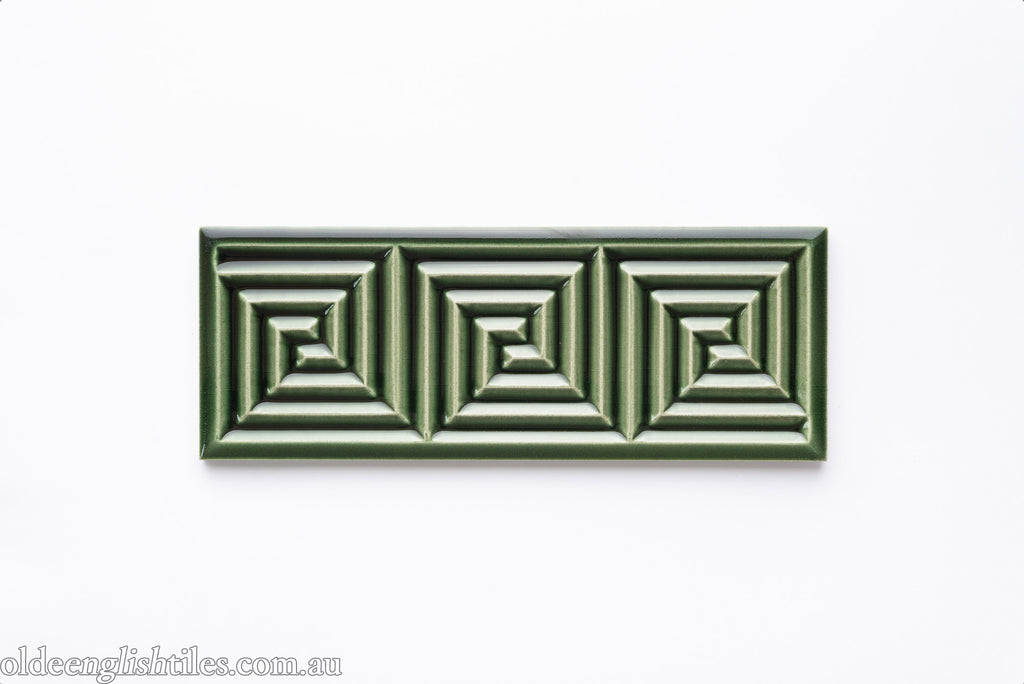
Our range of geometric & floral embossed tiles allows you to effortlessly blend period and contemporary styling elements to achieve an on-trend interpretation of traditional architecture. Today's popular large format rectified wall tiles are transformed by combining them with these hand-glazed decorative border tiles full of period charm.
FAQs
Frequently asked questions.-
How high up the wall should I tile?
A quick guide:
Victorian bathroom walls were typically tiled in three sections from floor to ceiling. The lower section used 150x150mm tiles (plain, decorative, or a combination of both) from floor to dado height, approximately 1 metre, finished with a frieze and capping. Above this, 150x75mm plain brick-bonded tiles continued up the wall to around 300mm below the ceiling. The top section was a richly patterned frieze of embossed or printed tiles with a capping tile, sometimes with additional trim tiles. The best examples of this treatment can be seen in the bathrooms at Rippon Lea House in Melbourne.
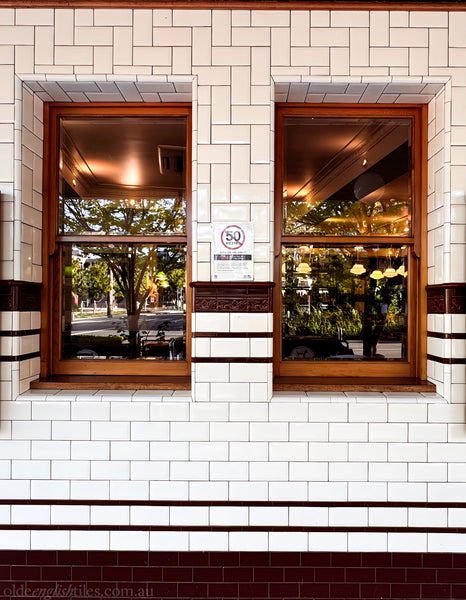
Federation bathroom walls were more simply treated, which undoubtedly explains why this look has been the dominant one in the restoration of period bathrooms. Bathroom walls were generally tiled in 150x75mm white ‘subway’ tiles, with a contrasting coloured skirting tile at the base and a matching frieze and capping at a height of approximately 1800mm. Decorative friezes usually depicted floral motifs with a strong Art Nouveau styling. Occasionally the plant forms were specifically Australian. Waratahs and flannel flowers in particular lent themselves to an Art Nouveau treatment.
This is a very general rule, and there were many exceptions to this approach, as there are now.
-
Which tiles suit my style of house?
The decorative styles of the Victorian era were extremely diverse. Apart from the taste for Gothic Revival styling, the innovation of the international trade show which started with the Great Exhibition in 1851, exposed the public to the decorative arts of the whole world.
Subject matter was extremely varied, including everything from mythological, historical and literary to animals, insects & flowers. Inspiration also came from different cultures, e.g. Persian, Turkish, Indian & Japanese art had a strong influence on the decorative style of people like William Morris.
As a general guide: Gothic Revival and Boom Style homes suit bold, ornate patterns with rich colours such as burgundy, green, and heritage brown. Arts & Crafts homes suit naturalistic floral motifs — waratahs, flannel flowers, and botanical designs. Art Nouveau and Federation homes suit sinuous floral friezes in softer tones, often white or vanilla with a single contrasting colour. If in doubt, our showroom team can help you identify the right style for your home.
-
Prints: Do they come in other colours?
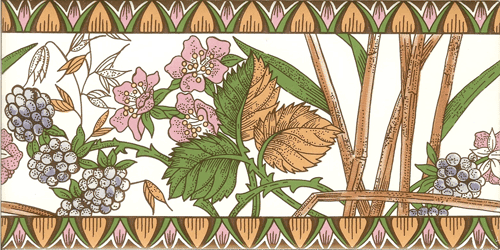
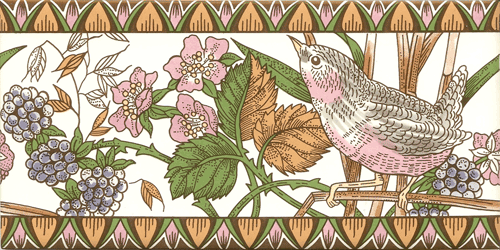
Several of our printed frieze tiles, notably ‘Persia’ and ‘Baroque’ are available in a wide variety of colours that coordinate with our standard subway glaze colours. Most other multi-coloured prints, such as ‘Birds & Berries’ or ‘English Rose’ are only available in one colourway on either a white or vanilla base.
-
Are your heritage wall tiles made in Australia?
Yes. All our Victorian and Federation wall tiles are hand-glazed at our Sydney factory. Local production means no international shipping delays, no minimum order quantities for custom work, and faster turnaround for restoration and renovation projects.
-
Can your heritage wall tiles be used in a commercial setting?
Yes. Our range is well-suited to commercial heritage restorations including pubs, hotels, cafes, restaurants, and shop facades. We have supplied tiles for heritage projects across New South Wales and Victoria, and work regularly with architects, builders, and heritage councils on commercial fit-outs.
-
Can you match or reproduce an existing heritage tile?
In most cases, yes. Our Sydney factory allows us to reproduce custom profiles and original designs. If you have an existing tile you need to match — whether for a restoration or an extension — bring it into our showroom or send us photos and we'll advise on the best approach. There are no minimum order quantities for custom reproduction work.
-
What is the difference between capping, coving, and skirting tiles?
Capping tiles finish the top edge of a tiled wall — they are a key feature of period bathrooms and are commonly used on commercial facades. Coving tiles address the junction between the wall and floor (internal coving) or the external corners of nib walls and niches (external coving) — they are hygienic, practical, and eliminate sharp edges. Skirting tiles run along the base of a wall, protecting it from impact and moisture. All three formats are available across our full range of 14 heritage colours.
Get In Touch
We’ll come out to you, assess your space and help you choose the surface of your dreams.